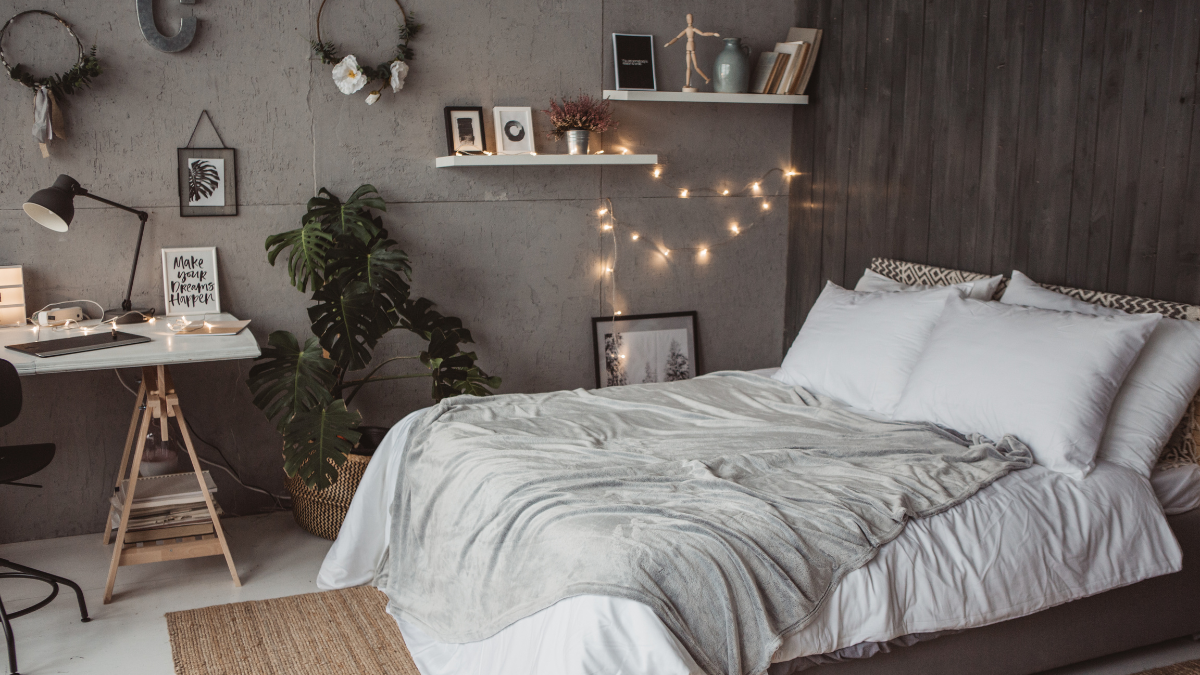
Creating a comfortable sleeping space starts with choosing the right Bedroom Essentials for your daily routine.
Your bed may be the main feature, yet furniture, lighting, storage, bedding, and small accessories can all affect comfort and practicality. Buying everything at once can lead to unnecessary spending.
A better approach is to focus on items that improve sleep, organization, and everyday use. From supportive pillows to practical storage, each purchase should have a clear purpose.
Bedroom Essentials: What Should You Buy First?
Start with products that directly affect sleep and daily comfort. Your mattress, pillows, sheets, lighting, and basic storage usually deserve priority.
After those basics are covered, you can add bedroom furniture based on your available floor space and daily needs.
A bedside table may give you convenient storage, while a dresser can keep clothing organized without filling your closet.
Your first purchases may include:
- Mattress
- Bed frame
- Pillows
- Sheets
- Duvet or comforter
- Bedside table
- Lamp
- Dresser or storage unit
- Curtains or blinds
- Laundry basket
Prioritizing function first can help you spend your budget on products you will use regularly.
Start With a Supportive Mattress
Your mattress affects how your bed feels every night, making it one of the first products worth researching carefully.
Mattresses commonly use foam, latex, springs, or hybrid construction. Each type can feel different in terms of firmness, motion control, responsiveness, and temperature regulation.
Before buying, check:
| Feature | What to Review |
|---|---|
| Firmness | Soft, medium, or firm feel |
| Materials | Foam, latex, springs, or hybrid layers |
| Size | Twin, full, queen, king, or other available sizes |
| Trial period | Number of nights allowed for home testing |
| Warranty | Coverage period and exclusions |
| Return terms | Fees, pickup rules, and refund conditions |
Mattress prices can range from a few hundred dollars to several thousand dollars depending on size, materials, construction, and brand.
Choose Bedding That Fits Your Sleep Preferences
Good bedding essentials can make your sleeping area comfortable while helping protect your mattress and pillows.
Start with fitted sheets, flat sheets if you use them, pillowcases, and a duvet or comforter.
You may also want a mattress protector to help shield your mattress from spills, moisture, and everyday wear.
Common sheet materials include cotton, linen, bamboo-derived viscose, microfiber, and Tencel lyocell. Pay attention to fabric construction instead of relying only on thread count.
For example, cotton percale tends to have a crisp texture, while cotton sateen usually feels smoother and slightly heavier.
Pick Pillows Based on Your Sleeping Position
Pillow height and firmness can affect head and neck positioning during sleep.
Side sleepers often prefer thicker pillows that fill the space between the shoulder and head.
Back sleepers may prefer medium-height pillows, while stomach sleepers often use thinner options.
Popular pillow fillings include:
- Memory foam
- Latex
- Down
- Down alternative
- Polyester fiber
- Shredded foam
Some sleep accessories, such as pillow protectors, eye masks, or mattress toppers, can also support comfort without requiring a major change to your bed.
Add Storage Without Overcrowding the Room
A sleeping space can quickly feel cluttered when clothing, shoes, chargers, books, and personal items have no assigned storage area.
Practical bedroom storage solutions can include under-bed containers, nightstands with drawers, dressers, shelving units, storage benches, and closet organizers.
Before purchasing a storage unit, measure:
- Available floor width
- Available depth
- Furniture height
- Door clearance
- Drawer clearance
- Walking space around the furniture
Taking measurements first can reduce the risk of buying furniture that blocks doors, drawers, outlets, or pathways.
Choose Lighting for Different Activities
Good bedroom lighting can serve several purposes throughout the day.
A ceiling fixture can provide general illumination, while bedside lamps work well for reading and nighttime use.
Small accent lights can provide softer illumination when you do not need full overhead lighting.
Look at bulb brightness, color temperature, lamp size, dimming support, and placement.
Warm white bulbs are commonly used in sleeping areas because they produce softer light than cooler daylight-style bulbs.
Adjustable lamps can also help direct light toward books, desks, or bedside surfaces.
Use Curtains or Blinds for Light Control
Window coverings can help control sunlight, privacy, and glare.
Blackout curtains may suit people who prefer a darker sleeping environment. Light-filtering curtains allow some daylight while giving the room a softer appearance.
Measure both the width and height of your window area before ordering curtains or blinds. Some products mount inside the window frame, while others install outside it.
Checking installation requirements before purchase can prevent sizing problems later.
Add Functional Furniture Carefully
Large furniture purchases can quickly increase your total bedroom budget.
Think about how each item will be used before buying it. A dresser may be useful if closet storage is limited. A compact bedside table may be enough if you only need space for a phone, lamp, water, and a few personal items.
Common furniture purchases include:
| Item | Primary Purpose |
|---|---|
| Bed frame | Supports the mattress |
| Nightstand | Bedside storage and surface space |
| Dresser | Clothing storage |
| Wardrobe | Additional hanging storage |
| Bench | Seating or storage |
| Desk | Work or study area |
Measure your room before ordering large items, especially when buying online.
Add Decorative Items After the Basics
Once your practical needs are covered, bedroom decor can help make the room feel visually coordinated.
Decorative pillows, framed prints, mirrors, rugs, throws, and small plants can add personality without requiring major furniture changes.
Try choosing a limited number of decorative pieces first. Too many items can reduce usable space and make cleaning harder.
Decorative purchases are often easier to change later, so your budget may be better spent on bedding, lighting, furniture, and storage first.
How Much Should You Spend on Bedroom Products?
Your total cost depends heavily on your mattress, furniture choices, materials, room size, and preferred brands.
A basic setup may cost several hundred dollars, while premium mattresses, solid-wood furniture, luxury bedding, and specialty lighting can push the total into several thousand dollars.
Instead of setting one price for the entire room, create separate budgets for major categories.
For example:
- Mattress
- Bed frame
- Bedding
- Pillows
- Storage
- Lighting
- Window coverings
- Decorative items
This approach can make product comparisons easier and help prevent one category from using too much of your total budget.
What Should You Check Before Buying?
Before placing an order, review product dimensions, materials, care instructions, delivery terms, return policies, and warranties.
For bedding, check mattress depth and exact bed dimensions. For furniture, check assembled measurements and doorway clearance. For lighting, verify bulb type, electrical requirements, and dimming compatibility.
Online product photos can make furniture appear larger or smaller than expected, so dimensions should always guide your final purchase.
Final Buying Checklist
Before purchasing products for your sleeping space, check:
- Room and furniture measurements.
- Mattress size and depth.
- Fabric or material specifications.
- Cleaning and maintenance requirements.
- Storage capacity.
- Assembly requirements.
- Delivery fees and estimated delivery dates.
- Return and exchange conditions.
- Warranty coverage.
- Total cost after shipping and accessories.
A planned buying process can help you focus on products that support comfort, organization, and daily use.
Build a Bedroom That Fits Your Daily Needs
The best Bedroom Essentials depend on your space, sleeping habits, storage needs, and budget.
Start with products that affect sleep and function, then add furniture and decorative pieces gradually.
A supportive mattress, suitable bedding, practical storage, dependable lighting, and carefully selected accessories can create a sleeping space that feels comfortable and easy to maintain.