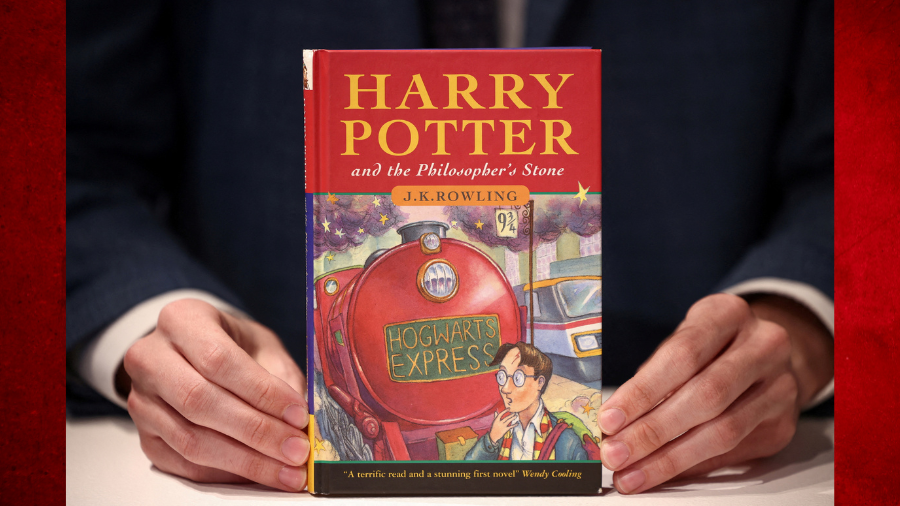
A mere 500 hardcover copies marked the humble beginnings of what would become a global phenomenon. I’ve spent years studying rare book authentication, and the first edition of Harry Potter and the Philosopher’s Stone stands as one of the most sought-after modern literary treasures. With copies fetching up to £69,000 at auction, knowing the precise details that distinguish an authentic first edition is crucial for collectors and enthusiasts alike.
Essential First Edition Identifiers
Copyright Page Authentication
The first edition’s copyright page contains several distinctive markers. The statement “First published in Great Britain in 1997” appears prominently. A complete number line reading “10 9 8 7 6 5 4 3 2 1” serves as a crucial identifier. The author’s name appears as “Joanne Rowling” rather than the now-familiar “J.K. Rowling.” A notable typographical detail shows the illustrator credit as “Thomas Taylor1997” – missing a space between the name and year.
Print Run Specifications
The initial publication consisted of precisely 500 hardcover copies and 5,150 paperback copies, released simultaneously on June 26, 1997, by Bloomsbury Publishing. These numbers establish the extreme rarity of authentic first editions, particularly the hardcover variant.
Physical Characteristics and Cover Details
Cover Elements
The hardcover edition features distinctive pictorial laminated boards without a dust jacket. The back cover displays a £10.99 price point, a crucial authentication detail for collectors and specialists.
Format Specifications
Both formats carry unique ISBN identifiers:
- Hardcover: 0 7475 3269 9
- Paperback: 0 7475 3274 5
The book contains 223 pages across both formats, maintaining identical pagination.
Notable Printing Errors
A significant identification marker appears on page 53, where “1 wand” appears twice in the school supplies list. This error serves as a key authentication point for genuine first editions.
Market Value and Collection Significance
Value Assessment
First edition copies command exceptional market values, particularly specimens in pristine condition. Auction records demonstrate remarkable appreciation, with documented sales reaching £69,000.
Condition Considerations
The value of first editions varies significantly based on preservation state. Original binding integrity, page condition, and cover preservation play crucial roles in determining market worth.
Authentication Markers
Key verification points include:
- Complete number line verification
- Original author name format
- Illustrator credit spacing
- Precise ISBN matching
- School supplies list error confirmation
- Cover price verification
Each element requires thorough examination to establish authenticity and maximize investment potential.
A Collector’s Journey
The journey of authenticating a first edition of Philosopher’s Stone requires meticulous attention to detail and expert knowledge. Armed with these identification markers and insights, you’re better equipped to evaluate potential acquisitions. Remember, while the monetary value is significant, owning a piece of literary history transcends mere investment – it’s about preserving a magical moment in publishing history.