Your brake system is one of the most important safety components in your vehicle. Even minor brake problems can quickly become dangerous if ignored. Strange sounds, vibrations, warning lights, or longer stopping distances often signal that something needs attention before it worsens.
Modern vehicles provide several warning signs when brake components begin to fail. Understanding these symptoms can help you avoid expensive repairs and reduce the risk of accidents.
Squeaking or Squealing Brakes
High-pitched squealing is often the first sign of brake wear. Most brake pads include built-in wear indicators that create noise once the pads become too thin.
Common causes include:
- Worn brake pads
- Moisture or road debris
- Glazed brake components
- Light surface rust after rain
Occasional squeaks may not be serious, but constant squealing means it’s time for a brake inspection. Ignoring the sound can lead to rotor damage and more costly repairs later.
Grinding Sounds While Braking
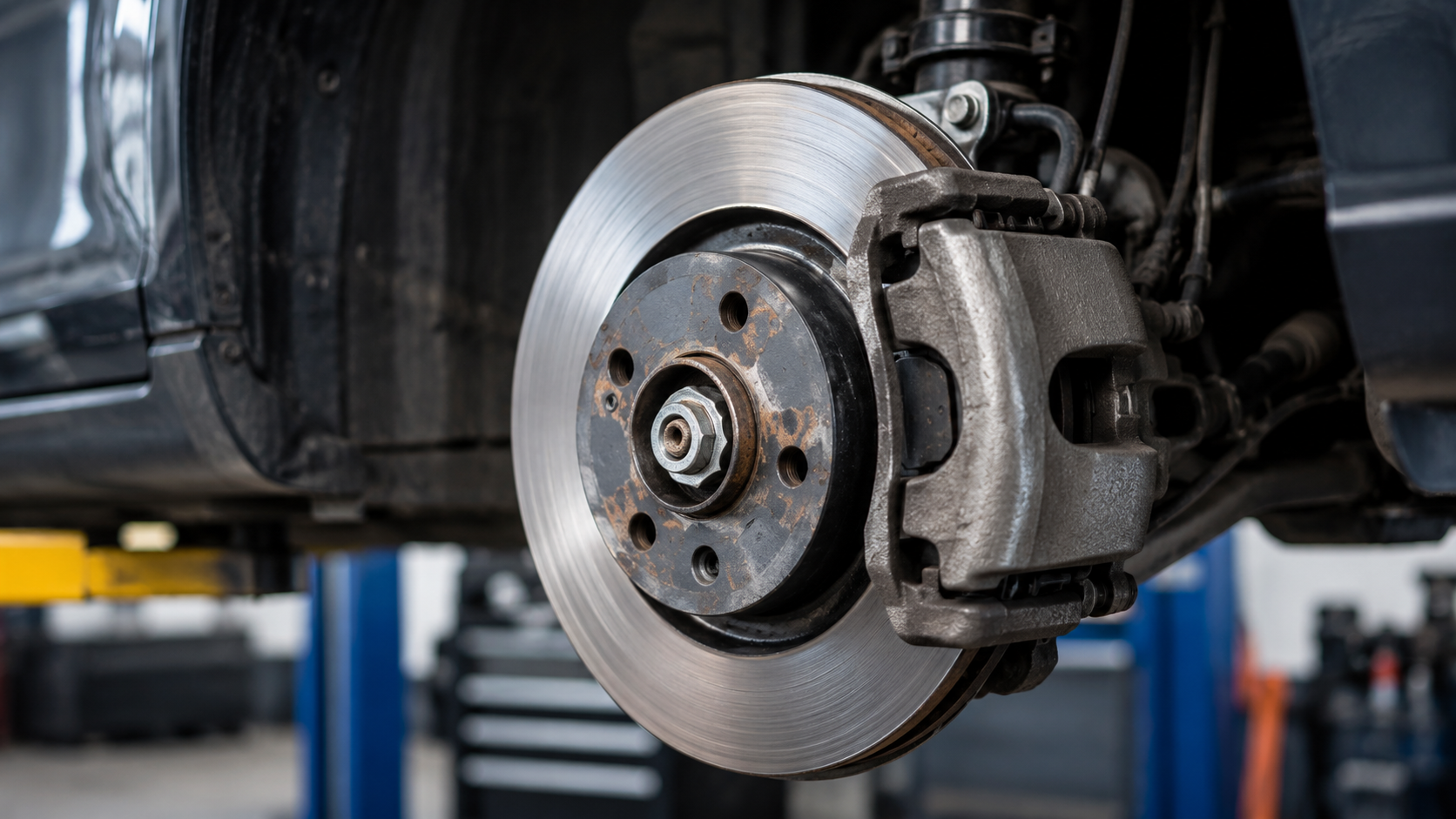
Grinding noises usually mean the brake pads have worn completely down. At this stage, metal components begin rubbing directly against the rotors.
This condition can:
- Damage rotors and calipers
- Reduce stopping power
- Increase repair costs significantly
- Create dangerous driving conditions
Grinding brakes should be inspected immediately. Continuing to drive may lead to complete brake failure.
Vibrations or Pulsing Brake Pedal
If the brake pedal vibrates or pulses when slowing down, warped or uneven brake rotors are often the cause.
Rotor problems commonly develop from:
- Excessive heat buildup
- Repeated hard braking
- Towing heavy loads
- Mountain driving
Brake vibration affects stopping performance and can reduce vehicle control during emergency braking situations.
Soft or Spongy Brake Pedal
A brake pedal that feels soft or sinks toward the floor usually points to a hydraulic issue within the braking system.
Possible causes include:
- Air in the brake lines
- Brake fluid leaks
- Worn master cylinder
- Contaminated brake fluid
This symptom should never be ignored. Hydraulic issues can suddenly worsen and lead to severe braking failure.
Vehicle Pulling While Braking
If your vehicle pulls to one side while braking, uneven braking force is likely occurring.
This can result from:
- Sticking brake calipers
- Uneven brake pad wear
- Brake fluid contamination
- Suspension or alignment issues
Uneven braking reduces stability and increases tire wear, especially during sudden stops.
Brake Warning Light or ABS Light
Dashboard brake lights are designed to alert drivers before major performance problems appear.
Common triggers include:
- Low brake fluid
- ABS sensor issues
- Parking brake sensor faults
- Electronic brake system failures
Even if braking feels normal, warning lights should be diagnosed quickly to prevent larger issues from developing.
Burning Smell Near the Wheels
A sharp burning odor near the wheels often indicates overheating brake components.
This may happen because of:
- Stuck brake calipers
- Riding the brakes downhill
- Heavy stop-and-go traffic
- Excessive friction buildup
Overheated brakes can lose stopping power through brake fade. In severe cases, brake fluid may boil and cause complete hydraulic failure.
Longer Stopping Distances
If your vehicle takes longer to stop than usual, brake efficiency may already be compromised.
Potential causes include:
- Worn pads or rotors
- Old brake fluid
- Brake system leaks
- Reduced hydraulic pressure
Because stopping distance changes gradually, many drivers fail to notice the problem until it becomes serious.
Visible Brake Fluid Leaks
Brake fluid leaks are among the most urgent warning signs.
Leaks may come from:
- Brake lines
- Calipers
- Wheel cylinders
- Master cylinder
Low brake fluid reduces hydraulic pressure and weakens braking performance. Even small leaks can eventually cause total brake failure.
Keeping Your Brake System Reliable
Routine maintenance helps prevent major brake problems before they become safety risks.
Important maintenance habits include:
- Scheduling brake inspections every 12 months
- Replacing brake fluid every 2–3 years
- Monitoring brake pad thickness regularly
- Inspecting rotors for uneven wear
- Checking hoses for cracks or leaks
Addressing issues early typically reduces repair costs and improves long-term reliability.
Don’t Ignore Brake Warning Signs
Brake problems rarely fix themselves. Squealing, grinding, soft pedals, warning lights, and burning smells are all signs your vehicle needs immediate attention. Catching these issues early can help prevent expensive repairs and dangerous driving conditions.
A professional brake inspection can identify the exact cause and restore safe braking performance before the problem escalates.