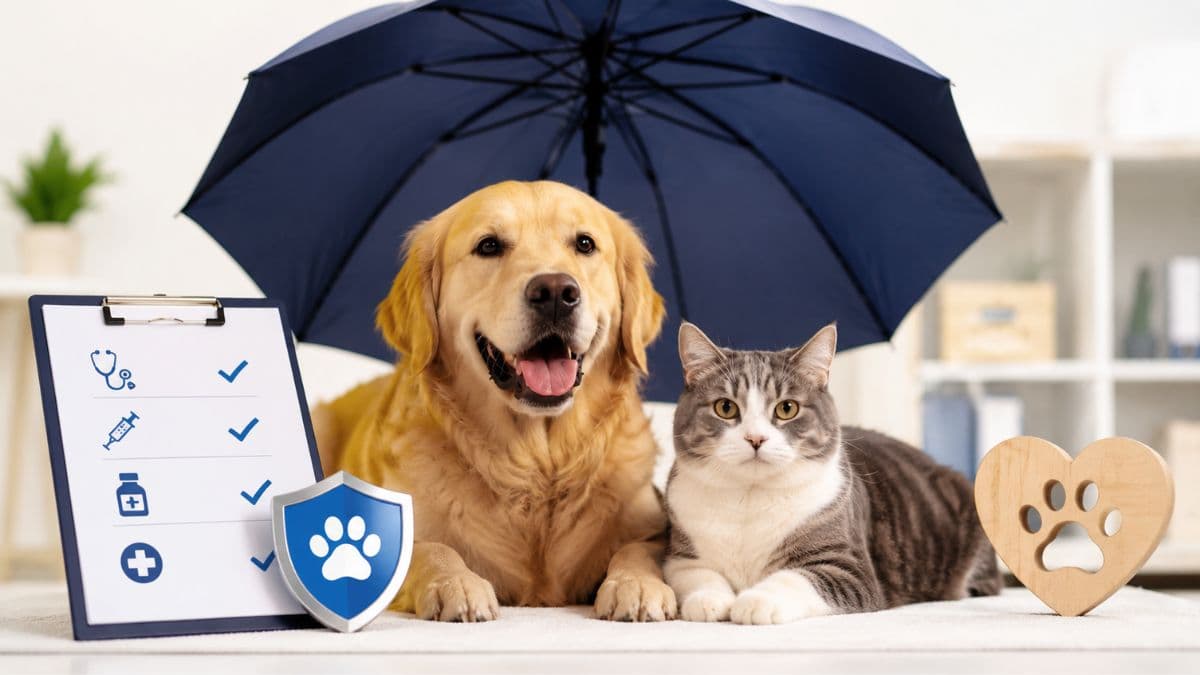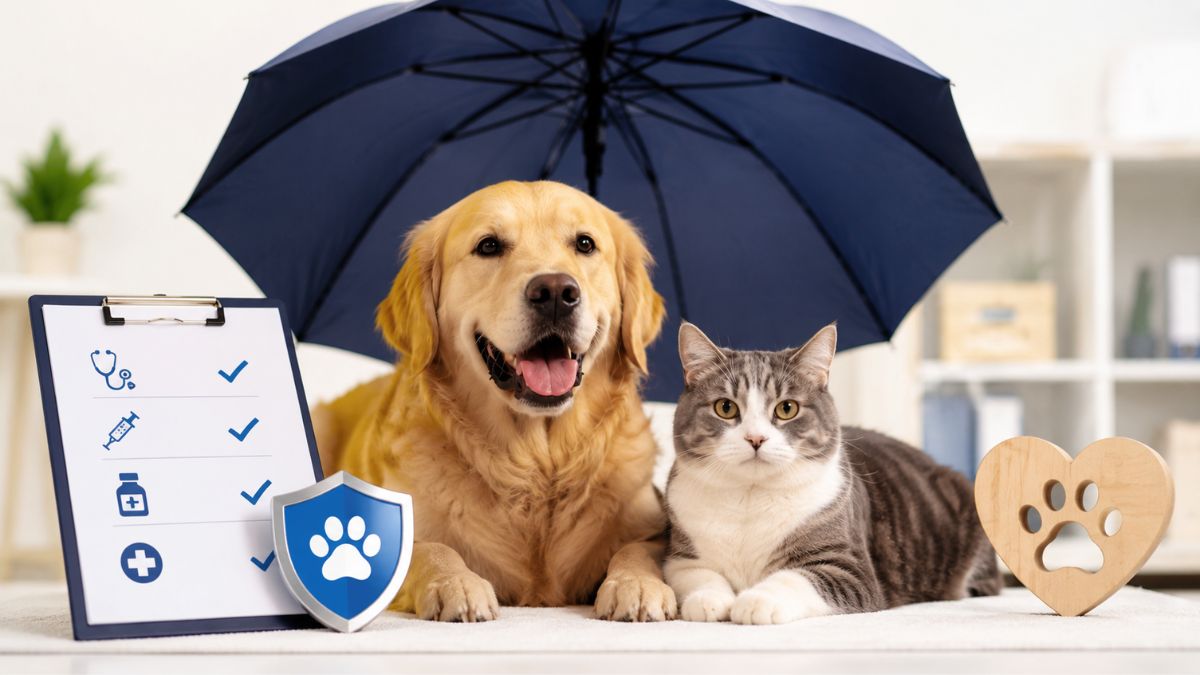
Unexpected veterinary bills can quickly place pressure on both your finances and your peace of mind.
Whether your dog suffers an injury during play or your cat develops a long-term illness, treatment costs can rise faster than many pet owners expect. Understanding how pet insurance works before you purchase a policy helps you make a more informed decision for your household and your pet.
By comparing coverage, reimbursement options, exclusions, and added member benefits, you can decide whether a policy matches your budget, your expectations, and your pet’s potential healthcare needs over the years ahead.
What Is Pet Insurance
Before comparing providers, it helps to understand how pet insurance generally works and what you can realistically expect from a policy.
Unlike human health insurance, pet insurance usually reimburses you after treatment. You visit a licensed veterinarian, pay the bill, submit a claim, and receive reimbursement for eligible expenses based on your policy.
Most accident and illness plans commonly cover:
- Emergency veterinary visits
- Hospitalization
- Surgery
- Diagnostic testing
- Prescription medications
- Specialist treatment
- Ongoing care for eligible conditions
Coverage varies depending on deductibles, reimbursement percentages, annual limits, and waiting periods, so comparing policies carefully remains essential.
What Medical Conditions Are Commonly Covered
Most comprehensive plans focus on unexpected illnesses and injuries instead of routine preventive care. Understanding this distinction helps you avoid surprises when filing a claim.
Accident Coverage
Many policies reimburse eligible treatment related to accidental injuries, including:
- Broken bones
- Torn ligaments
- Bite wounds
- Poisoning
- Emergency surgery
- Diagnostic imaging
Illness Coverage
Many accident and illness plans also include eligible treatment for:
- Ear infections
- Allergies
- Digestive disorders
- Diabetes
- Cancer
- Gum disease
- Long-term prescription medications
Most providers, however, exclude pre-existing conditions, making early enrollment beneficial before health issues develop.
How Fetch Adds Value Beyond Basic Coverage
Looking beyond standard policy features gives you a clearer picture of what differentiates one provider from another.
Fetch offers accident and illness coverage designed to help reimburse many unexpected veterinary expenses. Eligible coverage may include hereditary conditions, dental disease affecting every adult tooth, diagnostic testing, surgeries, and specialist care. One feature that stands out is coverage for eligible exam fees during sick visits, an expense many providers treat separately.
You also have the flexibility to visit any licensed veterinarian instead of staying within a restricted provider network, giving you greater freedom when choosing care.
Additional member benefits include:
- 24/7 online veterinary consultations through Fetch Online Vet
- Fetch Pet Rx for qualifying prescription reimbursement
- Fetch Deals offering discounts on everyday pet products
- Direct deposit for approved claim reimbursements
These added services can improve convenience while helping reduce ongoing pet care expenses beyond emergency treatment.
Understanding the Limitations
Considering both strengths and trade-offs allows you to make a balanced purchasing decision instead of relying only on promotional claims.
Potential limitations include:
- Pre-existing conditions are not covered.
- Waiting periods apply before coverage begins.
- You pay veterinary bills upfront before reimbursement.
- Routine wellness care may require an optional add-on.
- Coverage limits and reimbursement percentages vary by policy.
For some households with substantial emergency savings, self-funding veterinary expenses may remain a reasonable alternative. Others may value the predictability that insurance provides during costly emergencies.
How Pet Insurance Claims Usually Work
Knowing the claims process ahead of time can make stressful situations much easier to manage.
The typical reimbursement process includes:
- Visit any licensed veterinarian for treatment.
- Pay your veterinary invoice at the appointment.
- Submit your claim online with your invoice and medical records.
- Receive reimbursement once the claim is approved.
Fetch reports that many approved claims can be reimbursed in as little as two days through direct deposit, although processing times may vary depending on documentation and claim complexity.
Who Benefits Most From Pet Insurance
Pet insurance is not a one-size-fits-all solution, but it can provide meaningful financial support depending on your circumstances.
You may benefit most if you:
- Want protection against unexpected veterinary expenses
- Own a breed with hereditary health concerns
- Prefer flexible access to licensed veterinarians
- Want assistance managing costly surgeries or chronic illnesses
- Appreciate convenient online veterinary guidance
On the other hand, if your pet is older or already has significant pre-existing medical conditions, available coverage options may be more limited, making careful policy comparison even more important.
Key Takeaways Before You Decide
Pet insurance gives you another way to prepare for unexpected veterinary expenses while helping reduce the financial impact of serious illnesses or accidents.
Understanding both the benefits and the limitations allows you to choose coverage that fits your budget and your pet’s healthcare needs. Fetch combines broad accident and illness protection with valuable member benefits such as eligible exam fee coverage, online veterinary support, prescription savings, and everyday pet discounts.
f you’re exploring ways to better protect your companion, browse Fetch to learn more about its coverage options and discover additional pet care ideas and helpful resources.