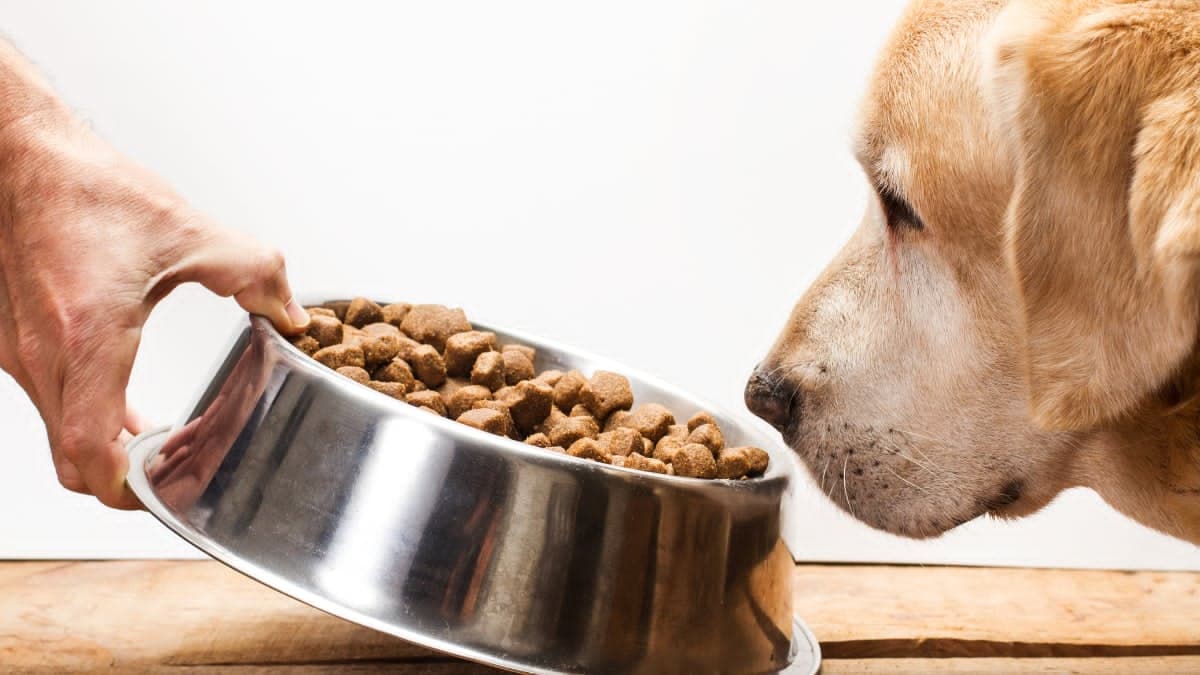
A wagging tail, a happy purr, or an excited greeting at the door can say a lot about your pet’s health. Good pet wellness goes far beyond filling a food bowl or scheduling a vet visit once a year. It includes nutrition, exercise, preventive care, mental enrichment, grooming, and creating a safe environment that supports long-term well-being.
Veterinarians consistently emphasize preventive care because many common health issues can be detected early or avoided altogether. According to the American Veterinary Medical Association, regular wellness visits help identify concerns before they become serious medical problems. Small daily habits often have the biggest impact on your pet’s quality of life over time.
If you want your companion to stay active, comfortable, and engaged through every life stage, understanding the basics of wellness is a great place to begin.
Pet Wellness Fundamentals: Building the Foundation for Better Health
Pet wellness refers to your pet’s physical, mental, and emotional well-being. These areas work together to support a healthy life.
The Three Pillars of Wellness
| Wellness Area | What It Includes | Why It Matters |
| Physical Health | Nutrition, exercise, veterinary care | Helps prevent illness and supports longevity |
| Mental Health | Training, enrichment, puzzle toys | Reduces boredom and behavioral issues |
| Emotional Health | Routine, bonding, security | Promotes confidence and reduces stress |
A strong wellness routine supports all three areas consistently.
Preventive Care vs. Reactive Care
Preventive pet care focuses on stopping problems before they start. Reactive care begins after symptoms appear.
For example:
- Annual wellness exams can uncover health concerns early.
- Vaccinations help prevent serious diseases.
- Routine dental care can reduce future complications.
- Parasite prevention lowers the risk of infections and illnesses.
Many veterinarians report that pets receiving regular preventive care often experience fewer health complications throughout life.
Pet Nutrition Guide: Feeding for Long-Term Wellness
Nutrition remains one of the biggest influences on overall health.
Choosing the Right Food
Look for foods that:
- List quality protein sources among the first ingredients
- Meet AAFCO nutritional standards
- Match your pet’s age and activity level
- Avoid excessive artificial additives
Dogs and cats have different nutritional requirements, so food should always be selected according to species-specific needs.
Life Stage Nutrition
| Life Stage | Nutritional Focus |
| Puppies & Kittens | Growth and development |
| Adult Pets | Weight maintenance and energy support |
| Senior Pets | Joint health and digestive support |
Key Nutrients That Support Health
Important nutrients include:
- Protein for muscle maintenance
- Healthy fats for skin and coat health
- Vitamins and minerals for immune support
- Fiber for digestive function
- Omega-3 fatty acids for brain and joint health
A balanced diet plays a major role in disease prevention and healthy aging.
Preventive Pet Care: Regular Veterinary Visits Matter
Routine veterinary care provides valuable insight into your pet’s health.
Annual Wellness Exams
During a wellness visit, veterinarians commonly evaluate:
- Weight and body condition
- Heart and lung function
- Dental health
- Skin and coat condition
- Mobility and joint health
These exams often identify subtle changes before they become larger concerns.
Vaccinations
Vaccination schedules vary based on:
- Age
- Lifestyle
- Geographic location
- Exposure risks
Your veterinarian can recommend an appropriate schedule for your pet.
Parasite Prevention
Year-round protection helps guard against:
- Fleas
- Ticks
- Heartworms
- Intestinal parasites
Modern preventive products are available in chewable, topical, and injectable forms.
Exercise and Mobility Support for Every Age
Physical activity supports weight management, cardiovascular health, and emotional well-being.
Daily Exercise Recommendations
Exercise needs vary significantly.
| Pet Type | Typical Daily Activity |
| High-energy dogs | 60–90 minutes |
| Moderate-energy dogs | 30–60 minutes |
| Small companion breeds | 20–30 minutes |
| Cats | Multiple short play sessions |
Senior Pet Care and Mobility
As pets age, movement remains important.
Helpful activities include:
- Gentle walks
- Swimming
- Controlled play
- Light stretching exercises recommended by veterinarians
Signs of Joint Problems
Watch for:
- Difficulty standing up
- Reluctance to jump
- Limping
- Reduced activity levels
- Trouble climbing stairs
Early intervention can help maintain mobility and comfort.
Pet Mental Stimulation and Behavioral Wellness
Mental exercise supports cognitive health and reduces unwanted behaviors.
Why Enrichment Matters
Pets that lack stimulation may develop:
- Excessive barking
- Destructive chewing
- Anxiety-related behaviors
- Obsessive habits
Providing regular enrichment supports healthier behavior patterns.
Effective Enrichment Activities
Popular options include:
- Puzzle feeders
- Treat-dispensing toys
- Scent games
- Hide-and-seek activities
- Training sessions
Training as Mental Exercise
Training sessions challenge your pet’s brain while strengthening communication.
Many dog trainers report that short daily sessions often produce better results than occasional longer sessions.
Grooming and Hygiene for Better Health
Grooming contributes to comfort and overall wellness.
Benefits of Regular Brushing
Brushing helps:
- Remove loose fur
- Distribute natural oils
- Reduce matting
- Detect skin issues early
Bathing Best Practices
Bathing schedules depend on:
- Breed
- Coat type
- Activity level
- Skin condition
Most dogs benefit from bathing every 4 to 12 weeks, although some require different schedules.
Essential Maintenance Tasks
Regular care should include:
- Nail trimming
- Ear checks
- Dental hygiene
- Skin inspections
Consistent maintenance helps prevent infections and discomfort.
Creating a Safe Home Environment
Your home plays a major role in your pet wellness plan.
Pet-Proofing Basics
Remove access to:
- Toxic plants
- Human medications
- Electrical cords
- Household chemicals
- Small choking hazards
Comfortable Rest Areas
Pets benefit from:
- Quiet sleeping spaces
- Proper temperature control
- Comfortable bedding
- Consistent routines
Reducing Stress
Common stress triggers include:
- Loud noises
- Sudden routine changes
- Overcrowded spaces
- Lack of privacy
Reducing stress can improve both physical and emotional health.
How to Tell If Your Pet Is Thriving
Healthy pets often show several positive signs.
Healthy Weight
A healthy pet typically has:
- A visible waistline
- Easily felt ribs beneath a thin layer of fat
- Good muscle tone
Bright Eyes
Clear eyes with minimal discharge often indicate good overall health.
Healthy Coat and Skin
A healthy coat typically appears:
- Shiny
- Thick
- Free from bald spots
- Consistent in texture
Changes in coat quality can sometimes signal nutritional or medical concerns.
Common Questions About Pet Wellness
How often should pets have wellness exams?
Most adult pets benefit from annual wellness visits. Senior pets may need examinations every six months.
What is the most important part of pet wellness?
Nutrition, preventive veterinary care, exercise, and mental enrichment all play important roles. Long-term success comes from combining these habits consistently.
Does preventive care save money?
In many cases, yes. Early detection and disease prevention often reduce the need for expensive emergency treatments later.
Can mental stimulation improve behavior?
Yes. Many behavior specialists recommend enrichment activities because they help reduce boredom, anxiety, and destructive behaviors.
The Long-Term Benefits of a Pet Wellness Plan
A wellness-focused approach helps support healthier aging, better mobility, improved behavior, and stronger emotional connections. Small actions performed consistently often produce significant results over time.
Start with one improvement today. Schedule a wellness exam, upgrade your pet’s enrichment routine, or review their nutrition. Every positive step helps support a healthier, happier life for your companion.