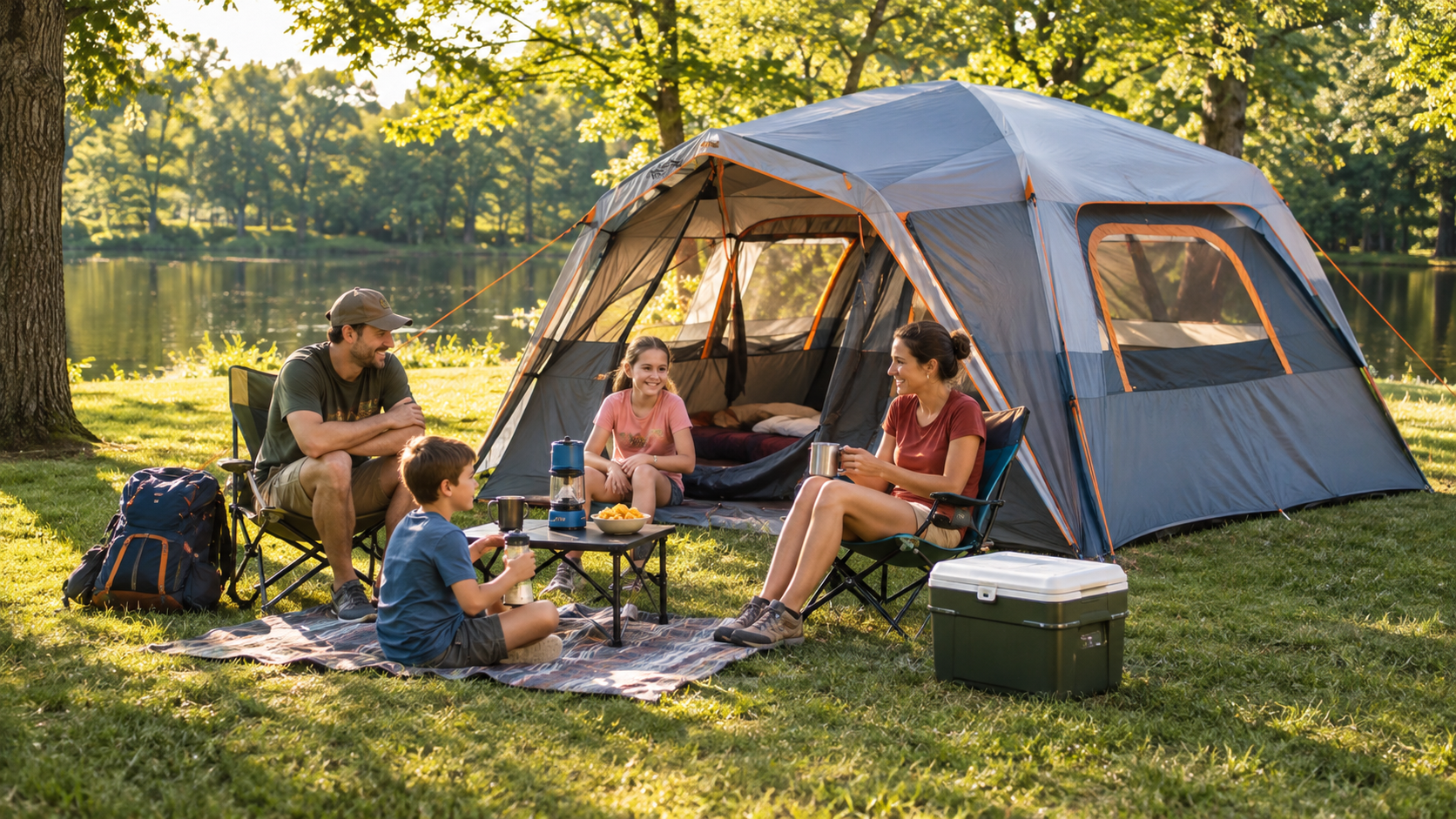
Choosing the Best camping tents starts with understanding how you plan to camp, how many people will share your shelter, and what weather conditions you may encounter.
From weekend trips at established campgrounds to extended outdoor stays, camping tents come in different sizes, designs, and materials. Some prioritize spacious interiors and convenient setup, while others focus on portability and weather protection.
Before purchasing, comparing tent capacity, construction, ventilation, durability, and overall value can help you select a model that fits your camping needs and budget.
How to Compare the Best Camping Tents for Different Outdoor Activities
The Best camping tents vary depending on where you camp and how you travel. A tent designed for a family campground may not be practical for a backpacking trip, while an ultralight shelter may feel restrictive during an extended campsite stay.
Understanding the main tent categories can help you narrow your choices.
1. Family Camping Tents
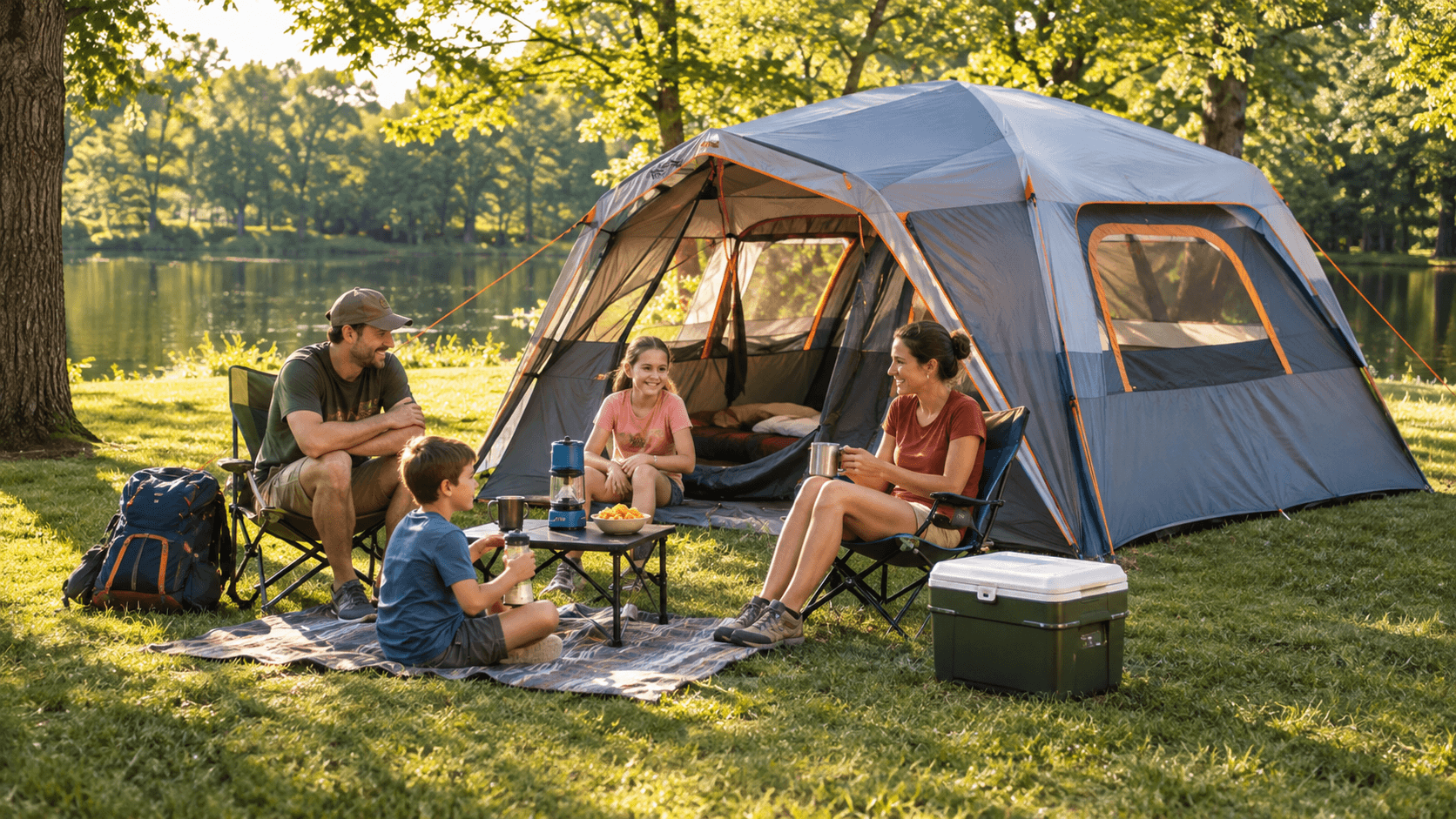
Family camping tents are designed for groups that need adequate sleeping space and room for personal belongings. Many models have taller ceilings, larger entrances, and interior storage pockets.
Common features include:
- Multiple sleeping areas in selected models
- Larger floor dimensions for sleeping pads and gear
- Mesh windows for airflow
- Storage pockets for small camping accessories
- Extended rainflies or covered entrances on certain designs
These tents may suit families who travel by car and plan to stay at established campgrounds.
However, larger tents generally require additional storage space and can take longer to assemble.
2. Backpacking Tents
Backpacking tents prioritize portability and compact packed dimensions. They are designed for campers who carry their equipment while hiking.
Typical characteristics include lightweight poles, compact storage bags, and efficient floor layouts.
When comparing backpacking shelters, examine the total packed weight rather than relying only on the manufacturer’s minimum trail weight. The packed weight generally accounts for additional components, such as stakes and storage bags, although definitions can vary between manufacturers.
A lightweight design may involve compromises in interior space, materials, or price.
3. Instant Setup Tents
Instant setup tents are designed to reduce assembly time through preattached poles or integrated frame systems.
They may be practical for beginners, families, and campers who frequently change campsites.
Advantages may include convenient assembly, fewer separate pole components, and straightforward takedown procedures.
However, setup speed varies by design, and some instant tents have bulky packed dimensions. Always check the manufacturer’s instructions and packed size before purchasing.
4. Dome and Cabin Tents
Dome tents generally feature curved pole structures that create a rounded shelter. Many are compact and suitable for small groups.
Cabin tents often feature nearly vertical walls, creating additional usable space near the sides.
| Feature | Dome tents | Cabin tents |
|---|---|---|
| Interior layout | Curved walls | Taller, straighter walls |
| Standing room | Depends on model | Often greater |
| Packed size | Often compact | Frequently bulkier |
| Wind performance | Depends on structure and pitching | Depends on structure and pitching |
| Suitable use | Weekend trips and general camping | Family and group camping |
Neither design guarantees better performance in every situation. Pole construction, anchoring, fabric quality, and weather conditions all influence how a tent performs.
What Features Should You Look for When Buying a Camping Tent?
A tent’s appearance may catch your attention, but its specifications determine how well it fits your intended use.
Tent Capacity and Interior Dimensions
Tent capacity is commonly described using labels such as two-person, four-person, or six-person.
These ratings generally refer to the number of sleeping occupants rather than guaranteed comfort or storage space.
For example, a four-person tent may accommodate four sleeping campers while leaving limited room for backpacks and other belongings.
Check the following measurements:
- Floor length and width
- Peak interior height
- Sleeping pad compatibility
- Number and size of entrances
- Space available for personal equipment
If you prefer extra sleeping space, choosing a tent with a higher advertised capacity than your group size may be practical.
Weather Protection and Rainfly Coverage
Waterproof camping tents typically use coated fabrics, seam construction, and rainfly systems intended to reduce water entry.
However, water resistance varies significantly between products.
Important details include the rainfly’s coverage, seam sealing, floor construction, and the manufacturer’s stated hydrostatic head rating, when available.
A full-coverage rainfly can provide greater protection around the tent body than a small roof-only fly, depending on the overall design.
Keep in mind that no ordinary recreational tent should be assumed to withstand every storm. Proper pitching, site selection, and following manufacturer guidance remain important.
Ventilation and Condensation Control
Moisture can accumulate inside a tent when warm, humid air contacts cooler surfaces.
Look for designs with mesh panels, adjustable vents, and doors that allow controlled airflow.
Good ventilation can help reduce condensation, although it cannot eliminate moisture under every condition.
Fabric and Pole Construction
Tent materials affect weight, durability, storage requirements, and maintenance.
Common materials include polyester or nylon fabrics, fiberglass poles, and aluminum poles.
Polyester is commonly used in recreational tents, while nylon appears frequently in lightweight camping equipment. Both materials are available in different fabric weights and coatings.
Aluminum poles are common in backpacking and higher-performance tents, while fiberglass poles appear in many recreational designs.
The quality of the complete structure matters rather than the material name alone.
Comparing Camping Tent Features Before Purchasing
The following table can help you identify the general features worth prioritizing for different camping situations.
| Camping situation | Suggested tent type | Main purchasing priorities |
|---|---|---|
| Weekend camping for two | Two- or three-person dome tent | Floor space, ventilation, easy assembly |
| Family campground trips | Family or cabin tent | Interior height, entrances, storage |
| Hiking and overnight trekking | Lightweight backpacking tent | Packed weight, size, weather protection |
| Frequent campsite changes | Instant setup tent | Assembly time, packed dimensions |
| Camping in rainy conditions | Tent with substantial rainfly coverage | Seam construction, floor protection, ventilation |
| Extended campground stays | Spacious multiroom tent | Comfort, durability, interior organization |
These are general comparisons rather than rankings of specific products. Individual models may differ significantly within the same category.
How Much Should You Expect to Spend on Camping Tents?
Camping tent prices depend on capacity, materials, structural design, manufacturer, and intended conditions.
Entry-level recreational tents often prioritize affordability and basic shelter requirements. Midrange models may include improved ventilation, stronger pole systems, or additional storage features. Premium models may focus on reduced weight, specialized construction, or technical weather performance.
Instead of purchasing based solely on price, evaluate the features that directly affect your camping experience.
For occasional summer camping, a straightforward recreational tent may be sufficient. Frequent backpacking or camping in variable conditions may justify paying for lighter materials and additional weather-related features.
Remember to account for accessories that may be sold separately, such as footprints, replacement stakes, or additional guylines.
Why Tent Size and Weight Matter for Different Camping Trips
Tent size affects sleeping comfort, campsite placement, transportation, and storage.
A spacious tent may be convenient when traveling by vehicle. However, carrying that same shelter on a long hiking route may be impractical.
For Car Camping
When your vehicle is close to the campsite, packed weight may be less important than interior comfort.
You can prioritize:
- Comfortable sleeping arrangements
- Adequate standing height
- Convenient entrances
- Storage compartments
- Practical assembly requirements
For Backpacking
When carrying equipment over long distances, tent weight and packed volume become important purchasing factors.
Also examine how the packed tent fits inside or attaches to your backpack.
For Group Camping
Groups may benefit from additional entrances and designated sleeping areas.
A tent with separate doors can reduce the need to move past sleeping companions when entering or leaving.
However, a large shelter may require a larger, relatively level campsite.
Are Four-Season Camping Tents Worth Buying?
Four-season camping tents are generally designed for demanding conditions that may include snow, strong winds, and exposed environments.
Compared with many three-season recreational tents, these shelters often emphasize structural strength, secure anchoring, and protection against severe weather.
However, the term four-season does not represent a universal performance certification. Actual capabilities depend on the specific model.
For ordinary spring, summer, and fall campground trips, a suitable three-season tent may provide the features you need without the additional weight or expense associated with specialized shelters.
Campers planning winter or alpine trips should examine manufacturer guidance carefully and select equipment appropriate for the expected conditions.
Common Mistakes to Avoid When Purchasing Camping Tents
Even a well-designed tent can disappoint when its specifications do not match your intended use.
Choosing Based Only on Advertised Capacity
A tent labeled for four occupants may feel crowded when everyone brings large sleeping pads and equipment.
Review floor measurements and sleeping arrangements before deciding.
Ignoring Packed Dimensions
A large family tent may fit comfortably inside a vehicle but occupy considerable storage space at home.
Check the packed length and diameter, particularly when luggage space is limited.
Overlooking Rainfly Coverage
Not all tents provide the same level of weather protection.
Check how far the rainfly extends around doors, windows, and the lower tent body.
Assuming Every Tent Is Easy to Assemble
Some tents require several pole connections, stakes, and guylines.
Practice assembling a new tent before your first trip to become familiar with its components.
Purchasing Without Checking the Campsite
Some campgrounds have limits on tent size or restrictions on where tents may be pitched.
Confirm campsite dimensions and applicable rules before bringing a large shelter.
How Can You Maintain Your Camping Tent?
Proper maintenance can help preserve tent materials and reduce preventable damage.
After each trip, remove dirt and debris, inspect the fabric and poles, and allow the tent to dry thoroughly before long-term storage.
Avoid storing a damp tent because prolonged moisture exposure can encourage mildew and damage certain coatings.
Follow the manufacturer’s cleaning instructions. Harsh detergents, machine washing, and excessive heat can damage some tent materials.
For long-term storage, many manufacturers recommend keeping tents loosely packed in a dry location rather than tightly compressed for extended periods.
Regularly inspect seams, zippers, stakes, and guylines for signs of wear.
Frequently Asked Questions About Camping Tents
What type of camping tent is best for beginners?
A dome or instant setup tent may be a practical choice for beginners. Look for clear assembly instructions, suitable capacity, effective ventilation, and weather protection appropriate for your destination.
Is a four-person tent comfortable for four adults?
It depends on the tent’s floor dimensions and the occupants’ sleeping equipment. Many four-person tents provide limited room for additional belongings when fully occupied.
Are expensive camping tents always better?
No. Higher prices may reflect lighter materials, specialized designs, or additional features, but those advantages may not matter for every camping situation. Match the specifications to your actual needs.
How long can a camping tent last?
Tent lifespan varies according to materials, frequency of use, weather exposure, cleaning, and storage conditions. Proper care may extend its useful life, but there is no single reliable lifespan for every model.
Should you buy a tent with a full rainfly?
A full-coverage rainfly may be beneficial when camping in rainy or unpredictable conditions. However, ventilation, seam construction, and proper installation also influence overall protection.
Choosing Camping Tents That Fit Your Needs and Budget
Finding the right camping tent requires balancing space, portability, weather protection, and price.
Start by identifying your usual camping environment and the number of people who will share the shelter. Then compare floor dimensions, pole materials, ventilation, rainfly coverage, and packed weight.
A tent designed for occasional family camping may be suitable for established campgrounds, while a lightweight shelter may better serve hikers who carry their equipment.
Before making your decision, compare camping tent styles and current product specifications to identify models that suit your planned activities.
Prioritizing practical features over unnecessary extras can help you select a tent that fits your camping habits and expected conditions