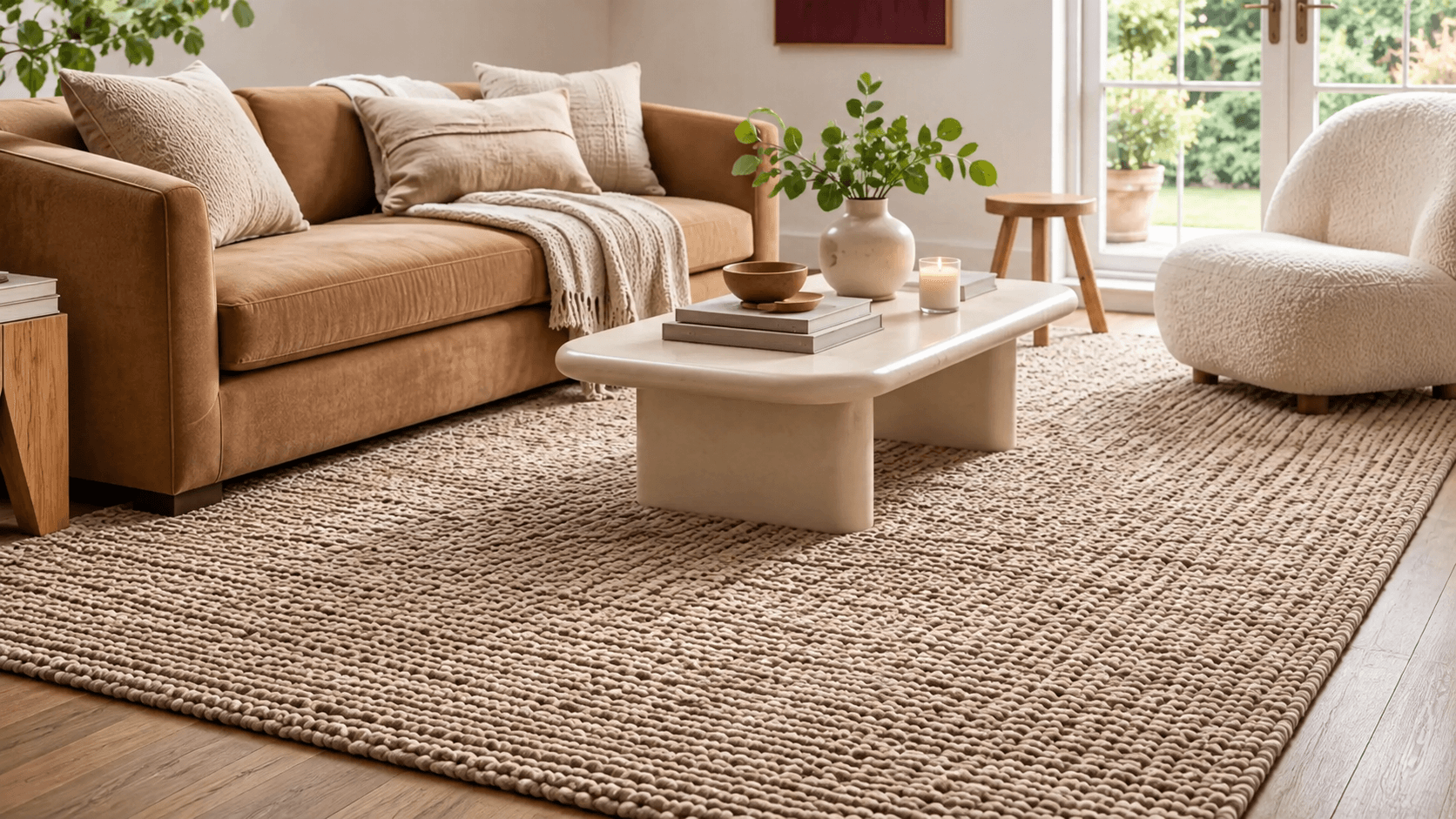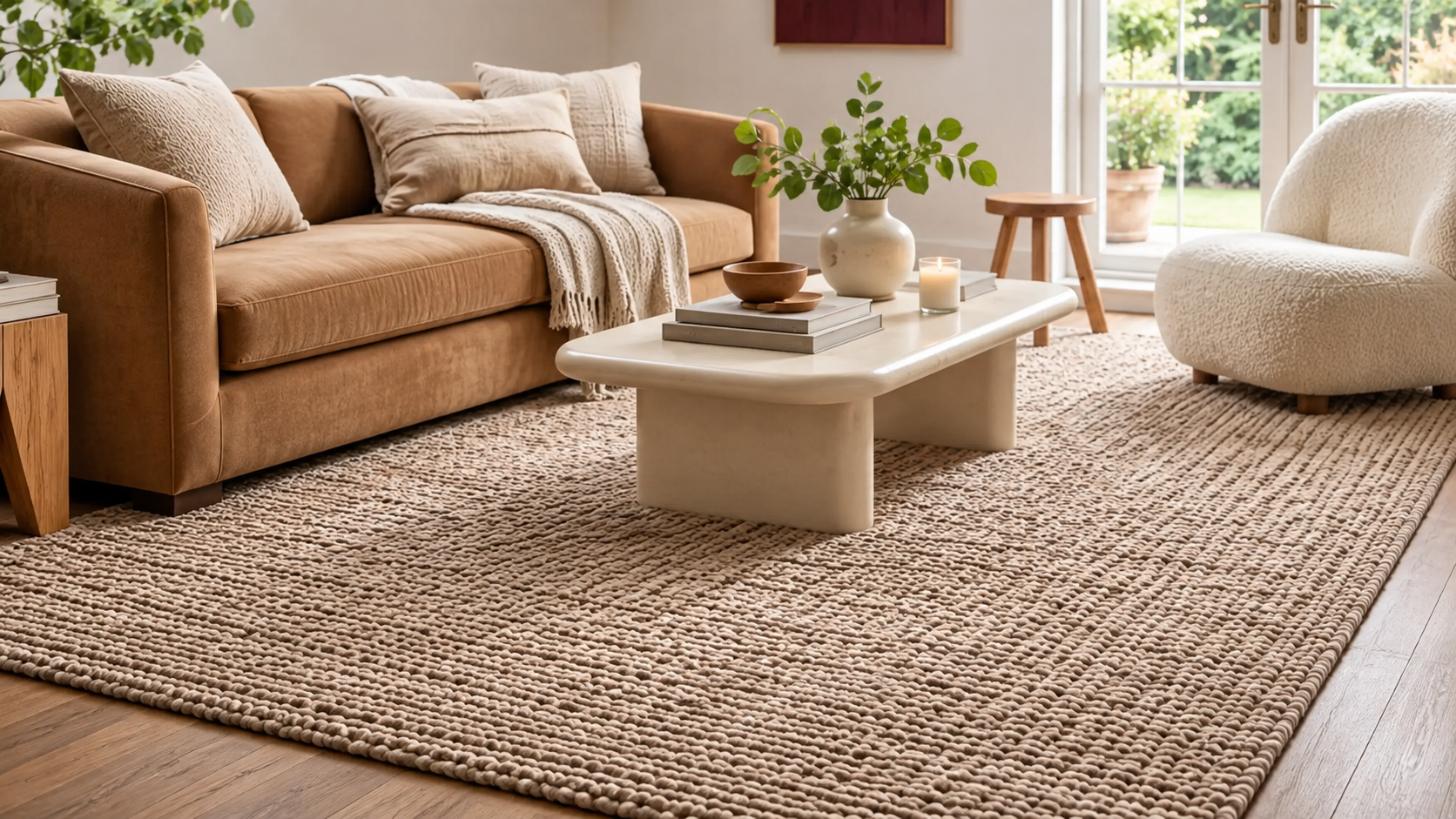
Choosing a rug can change how your room feels, especially when comfort and texture are high on your priority list.
The Softest Knit Wool Rug is an option worth examining if you prefer a soft-looking floor covering with a knitted appearance and the natural characteristics of wool.
However, before purchasing, you should understand how wool rugs perform in everyday spaces, how their construction affects comfort, and what maintenance they require.
This guide explains the important buying factors, including softness, durability, room suitability, cleaning requirements, and overall value, so you can decide if this style fits your home and budget.
Softest Knit Wool Rug: What Makes This Style Worth Considering?
The Softest Knit Wool Rug appeals to shoppers who appreciate textured flooring and the natural characteristics of wool.
Unlike flat, smooth floor coverings, knitted or knit-inspired rugs feature visible yarn patterns that create a textured surface.
Depending on the construction, this can give the rug a relaxed appearance that works with contemporary, Scandinavian, farmhouse, and minimalist interiors.
Wool itself is valued for its natural elasticity and resilience.
However, the finished rug’s softness depends on several factors, including fiber quality, yarn thickness, construction, pile density, and finishing techniques.
Key Features to Examine
Before purchasing, check the following characteristics:
- Material composition: Confirm the percentage of wool and any additional fibers.
- Construction: Determine if the rug is hand-knitted, handwoven, tufted, or machine-made.
- Surface texture: Examine the yarn pattern and pile thickness.
- Available dimensions: Choose a size that fits your furniture arrangement.
- Backing material: Check if the rug requires a separate non-slip pad.
- Care instructions: Review the manufacturer’s recommended cleaning methods.
- Color options: Select a shade that works with your existing furniture and flooring.
These details can help you distinguish between rugs that look similar in product photographs.
How Soft and Comfortable Is a Knitted Wool Rug?
A knitted wool rug can feel comfortable underfoot because wool fibers have natural elasticity, allowing them to compress and recover under pressure.
However, not every knitted design feels equally soft.
A rug made with thick yarn may have a cushioned appearance, while a tightly constructed surface may feel firmer than expected.
Some chunky-knit designs also have raised loops that create noticeable texture beneath bare feet.
Factors That Affect Comfort
Fiber quality: Fine wool fibers generally feel smoother than coarse fibers, although the finished texture also depends on processing and construction.
Yarn thickness: Thick yarns can create a substantial surface, but thickness alone does not guarantee softness.
Construction density: Tightly arranged fibers may provide better structural stability, while loosely constructed patterns can feel flexible.
Rug padding: A suitable rug pad can improve cushioning, reduce movement, and protect the flooring underneath.
If softness is your primary concern, review close-up product photographs, construction details, and customer feedback before ordering.
Why Choose a Soft Wool Area Rug Instead of Synthetic Materials?
A soft wool area rug may suit your home if you value natural fibers, resilience, and a comfortable surface.
Wool and synthetic materials have different advantages, so the right choice depends on your priorities.
| Feature | Wool Rugs | Synthetic Rugs |
|---|---|---|
| Material | Natural animal fiber | Commonly polyester, nylon, or polypropylene |
| Softness | Depends on wool quality and construction | Depends on fiber and pile design |
| Durability | Often resilient with proper care | Varies by material and construction |
| Cleaning | Usually requires gentle care | Some types permit easier washing |
| Shedding | May shed, especially when new | Usually less natural fiber shedding |
| Price | Often relatively expensive | Available across a broad price range |
| Moisture | Can absorb moisture | Many synthetic fibers absorb less moisture |
Advantages of Wool
Wool has several characteristics that make it suitable for residential rugs.
- Natural resilience: Wool fibers can recover from moderate compression.
- Comfortable texture: Well-processed wool can provide a pleasant surface.
- Insulating properties: Wool can help reduce the feeling of cold flooring.
- Long-term usability: Properly constructed wool rugs may remain functional for years with appropriate care.
- Natural appearance: Wool fibers can create subtle variations in surface texture.
However, wool rugs can shed, require careful cleaning, and cost substantially above basic synthetic alternatives.
Is the Softest Knit Wool Rug Suitable for Living Rooms?
Choosing a wool rug for living room use depends on your furniture layout, household activity, and the rug’s construction.
A knitted wool design can work particularly well in spaces where comfort and appearance take priority.
Under a Coffee Table
A textured wool rug can help define the seating area and visually connect your sofa, chairs, and coffee table.
For a balanced arrangement, choose a size that allows at least the front legs of your main seating furniture to rest on the rug.
Beside a Sofa
A smaller rug may work in compact living rooms where a full seating-area rug would take up too much floor space.
However, a rug that is too small can make the furniture arrangement appear disconnected.
In a Reading Corner
A knitted wool rug can create a comfortable floor surface beneath an accent chair and side table.
For areas with regular chair movement, check the rug’s construction and resistance to snagging.
What About High-Traffic Spaces?
Chunky or loosely knitted rugs may be less suitable for busy walkways because exposed yarn loops can catch on shoes, furniture, or pet claws.
For heavily used rooms, a tightly woven wool rug may be a practical alternative.
Can a Knit Wool Rug Work as a Cozy Bedroom Rug?
A cozy bedroom rug can make your bedroom floor feel comfortable when getting out of bed, particularly on tile, wood, or laminate flooring.
Knitted wool designs may work well in bedrooms because these spaces often experience less foot traffic than hallways or family living areas.
Placement Ideas
Under the bed: Position a larger rug beneath the bed so it extends beyond the sides and foot.
Alongside the bed: Place a runner or smaller rectangular rug where your feet naturally land.
Near a bedroom chair: Use a compact rug to define a reading or dressing area.
Choosing the Right Size
Common rug dimensions include:
| Rug Size | Potential Placement |
|---|---|
| 3 × 5 feet | Bedside or small accent area |
| 5 × 8 feet | Compact bedroom or seating area |
| 6 × 9 feet | Medium bedroom |
| 8 × 10 feet | Larger bedroom or living room |
| 9 × 12 feet | Spacious bedroom or seating arrangement |
These are general sizing guidelines, not confirmed dimensions for a particular Softest Knit Wool Rug listing.
Measure your available floor space before choosing a size.
How Does a Natural Wool Rug Perform Over Time?
A natural wool rug can provide lasting comfort when its construction is suitable for the intended space and it receives appropriate maintenance.
Wool fibers have natural elasticity, which helps them resist permanent flattening under ordinary use.
However, rug performance also depends on construction quality, pile structure, foot traffic, furniture weight, and cleaning habits.
What You Should Expect
Initial shedding: Some wool rugs release loose fibers during their early months of use. Excessive or persistent shedding may indicate construction issues.
Furniture impressions: Heavy furniture can compress the rug surface. Periodic furniture repositioning may help reduce concentrated wear.
Surface changes: Raised yarns may develop fuzziness or pilling with friction.
Color maintenance: Prolonged direct sunlight can contribute to fading, depending on the dyes used.
Moisture sensitivity: Wool can absorb moisture, so prolonged dampness should be avoided.
A quality wool rug can last for years, but durability should never be assumed from the fiber content alone.
How to Clean and Maintain a Knit Wool Rug
Proper cleaning helps maintain the rug’s appearance and reduces the buildup of dust and debris.
Because knitted construction can contain exposed loops, cleaning methods should be selected carefully.
Regular Maintenance
- Vacuum gently. Use a suction-only attachment when recommended by the manufacturer. Avoid rotating brush rolls that may catch yarn loops.
- Rotate periodically. Changing the rug’s orientation can help distribute foot traffic and sunlight exposure.
- Remove spills promptly. Blot liquid using a clean, absorbent cloth without rubbing.
- Avoid excessive moisture. Do not soak the rug unless its care instructions specifically permit washing.
- Inspect loose yarns. Avoid pulling raised threads, which may damage the construction.
- Use professional cleaning when necessary. Choose a cleaner experienced with wool and knitted textiles.
Can You Machine Wash a Wool Rug?
Not automatically.
Many wool rugs require spot cleaning or professional treatment. Machine washing can cause shrinkage, distortion, or damage to the rug’s backing and construction.
Always follow the care label for the exact product.
What Should You Check Before Buying the Softest Knit Wool Rug?
The product name alone cannot confirm quality, so it helps to examine the actual listing carefully.
1. Material Composition
Check if the rug is made entirely from wool or contains cotton, polyester, or other materials.
A wool-and-cotton construction may perform differently from a pure wool design.
2. Construction Quality
Look for detailed photographs showing the yarn pattern, edges, backing, and overall thickness.
Pay particular attention to whether the knitted loops appear secure.
3. Dimensions and Thickness
Check the exact measurements rather than relying on room photographs, which may not accurately communicate scale.
4. Maintenance Requirements
If you have children, pets, or a busy household, cleaning restrictions can influence long-term satisfaction.
5. Return Policy
Review return windows, shipping charges, and restrictions related to opened or used rugs.
Large rugs can be expensive to return.
6. Customer Reviews
Prioritize reviews that discuss actual ownership experiences, including shedding, softness, appearance, cleaning, and durability.
Photographs from verified purchasers can help you assess texture and color under ordinary lighting.
How Much Should You Expect to Pay?
The cost of a wool rug depends on its dimensions, fiber composition, construction method, and retailer.
Handmade rugs and designs using substantial amounts of wool often cost above basic machine-made synthetic rugs.
Rather than judging a rug by its price alone, compare:
- The total cost for the required size
- Wool percentage and material quality
- Construction and edge finishing
- Shipping and return costs
- Cleaning requirements
- Expected suitability for your household
Important: An exact selling price for the Softest Knit Wool Rug has not been verified here. Check the current retailer listing before making a purchase.
Softest Knit Wool Rug: Pros and Cons
Understanding the advantages and potential drawbacks can help you make a practical buying decision.
| Pros | Cons |
|---|---|
| Natural wool can provide a comfortable surface | May require careful cleaning |
| Textured design adds visual interest | Loose loops may snag |
| Wool has natural resilience | Some shedding is possible |
| Can work in bedrooms and relaxed seating areas | Often costs above basic synthetic rugs |
| Can help insulate cold flooring | Not every design suits heavy foot traffic |
Who Should Buy This Type of Rug?
A knit wool rug may be suitable if you:
- Prefer natural fiber flooring.
- Want a textured rug for a bedroom or relaxed seating area.
- Appreciate the appearance of chunky yarn patterns.
- Can follow wool-specific cleaning instructions.
- Have a space without constant heavy foot traffic.
Who Might Prefer Another Option?
You may want to compare other rug materials if you:
- Need a fully machine-washable floor covering.
- Have pets that frequently scratch or pull at textiles.
- Expect frequent spills or heavy foot traffic.
- Prefer a completely smooth surface.
- Need a low-cost rug for temporary use.
In those situations, a low-pile synthetic rug or tightly woven flatweave may be easier to maintain.
Softest Knit Wool Rug: Balancing Comfort, Durability, and Price
The Softest Knit Wool Rug may be worth examining if you want a natural-fiber rug with visible texture and a comfortable appearance.
Its potential advantages include wool’s resilience, insulating properties, and suitability for bedrooms and relaxed living spaces. However, construction quality, shedding, snagging risks, and cleaning requirements deserve careful attention.
Before purchasing, confirm the actual fiber composition, available sizes, thickness, care instructions, and current price.
For households seeking a soft-looking decorative rug in a lower-traffic area, a knitted wool design may be a reasonable choice.
If easy washing or resistance to heavy wear is your priority, a tightly woven or synthetic alternative may be better suited to everyday use.
The best purchasing decision comes from matching the rug’s construction and maintenance needs to how you plan to use your space.