A comfortable bed can make a noticeable difference in how you sleep and feel each morning. If you enjoy the soft sheets, supportive pillows, and neatly layered beds found in hotels, choosing hotel quality bedding can help you create a similar sleeping environment at home.
However, not every bedding product advertised as hotel-grade delivers the same comfort, durability, or fabric quality. Materials, construction, maintenance requirements, and personal preferences all influence your experience.
This guide explains what to look for in hotel-inspired bedding, compares popular materials, examines typical price ranges, and helps you decide which bedding essentials deserve your budget.
Hotel Quality Bedding: What Should You Look for Before Buying?
Hotel quality bedding generally refers to sheets, pillowcases, pillows, duvets, and other bedding products designed to provide a comfortable, polished sleeping environment.
The term is not a standardized certification. Manufacturers may use it to describe products with different materials, thread counts, finishes, and construction methods.
When comparing products, focus on these characteristics:
- Fabric composition: Cotton, linen, polyester, and other materials affect softness, breathability, and maintenance.
- Construction: Fabric weave, stitching, and fill distribution influence how bedding feels and performs.
- Comfort: Your sleeping temperature, preferred texture, and support needs determine what feels comfortable.
- Durability: Strong seams, suitable fabric construction, and proper laundering can help bedding withstand repeated use.
- Care requirements: Machine-washable materials may be convenient for regular household maintenance.
- Value: Compare the materials, included pieces, warranty terms, and care instructions rather than relying on marketing descriptions.
Choosing bedding based on these factors can help you avoid paying extra for features that may not improve your sleep experience.
What Materials Are Commonly Used in Luxury Hotel Sheets?
Sheets are among the first things you notice when getting into bed. Their fabric, weave, and finish determine how they feel against your skin.
If you are shopping for luxury hotel sheets, understanding the differences between common materials can make product comparisons easier.
Cotton Percale for a Crisp Sleeping Surface
Cotton percale is known for its plain-weave construction, which produces a smooth, relatively crisp fabric.
Its characteristics include:
- A lightweight, structured feel
- A matte appearance
- Breathability that can suit warmer sleeping conditions
- A texture that may soften with repeated washing
Percale can be a practical choice if you prefer sheets that feel cool and fresh rather than silky.
Cotton Sateen for a Smooth Finish
Cotton sateen uses a different weave structure that creates a smoother surface with a subtle sheen.
Typical characteristics include:
- A softer, silkier initial feel
- A draped appearance
- A slightly heavier sensation than comparable lightweight percale
- A finish that may suit people who prefer less crisp bedding
Sateen can feel warmer than percale, although fabric weight and construction also influence temperature comfort.
Linen for Breathable Comfort
Linen is made from flax fibers and has a naturally textured appearance.
It is often selected for its moisture-handling properties and relaxed feel. However, linen wrinkles readily and may initially feel less smooth than cotton.
Polyester and Cotton-Polyester Fabrics
Polyester-containing fabrics are commonly used when easy care, wrinkle resistance, and affordability are priorities.
Their performance varies by construction, and some sleepers may find them less breathable than comparable natural-fiber fabrics.
Which Sheet Material Should You Choose?
| Material | Typical feel | Main advantage | Potential drawback |
|---|---|---|---|
| Cotton percale | Crisp and smooth | Breathable construction | Can wrinkle |
| Cotton sateen | Soft and silky | Smooth finish | May feel warmer |
| Linen | Textured and relaxed | Moisture management | Wrinkles easily |
| Polyester | Smooth and lightweight | Easy maintenance | Breathability varies |
| Cotton-polyester | Soft and practical | Balance of care and comfort | Feel depends on fiber ratio |
Buying tip: Check the fiber content and fabric construction on the product label. A high thread count alone does not establish superior quality.
How Do You Choose the Right Hotel Style Duvet?
However, its warmth and comfort depend on the filling, outer fabric, and construction.
Down Duvets
Down comes from the soft insulating clusters beneath the outer feathers of ducks or geese.
Down duvets are often valued for their warmth relative to weight and compressibility.
Important buying considerations include:
- Fill power
- Fill weight
- Outer fabric construction
- Cleaning instructions
- Responsible sourcing documentation
Higher fill power indicates greater loft for a given weight of down, although fill weight and duvet design also influence overall warmth.
Down-Alternative Duvets
Down-alternative products generally use synthetic fibers designed to provide loft and insulation.
They may suit shoppers who prefer non-animal fillings or want a product with straightforward washing instructions.
However, washability varies, so always check the manufacturer’s care label.
Wool Duvets
Wool is another natural filling option. Its moisture-handling characteristics can make it suitable for people who prefer natural fibers.
Wool duvets may feel different from down products because of their weight and structure.
What Duvet Warmth Level Is Right for You?
Instead of choosing a duvet based only on thickness, assess your bedroom temperature and personal warmth preferences.
- Lightweight: Often suitable for warmer rooms or hot sleepers.
- All-season: Intended for use across a range of moderate temperatures.
- Heavyweight: May suit colder rooms or people who prefer substantial insulation.
Product warmth classifications are not always consistent between manufacturers, so compare actual specifications when available.
Why Do Hotel Bedding Sets Look So Comfortable?
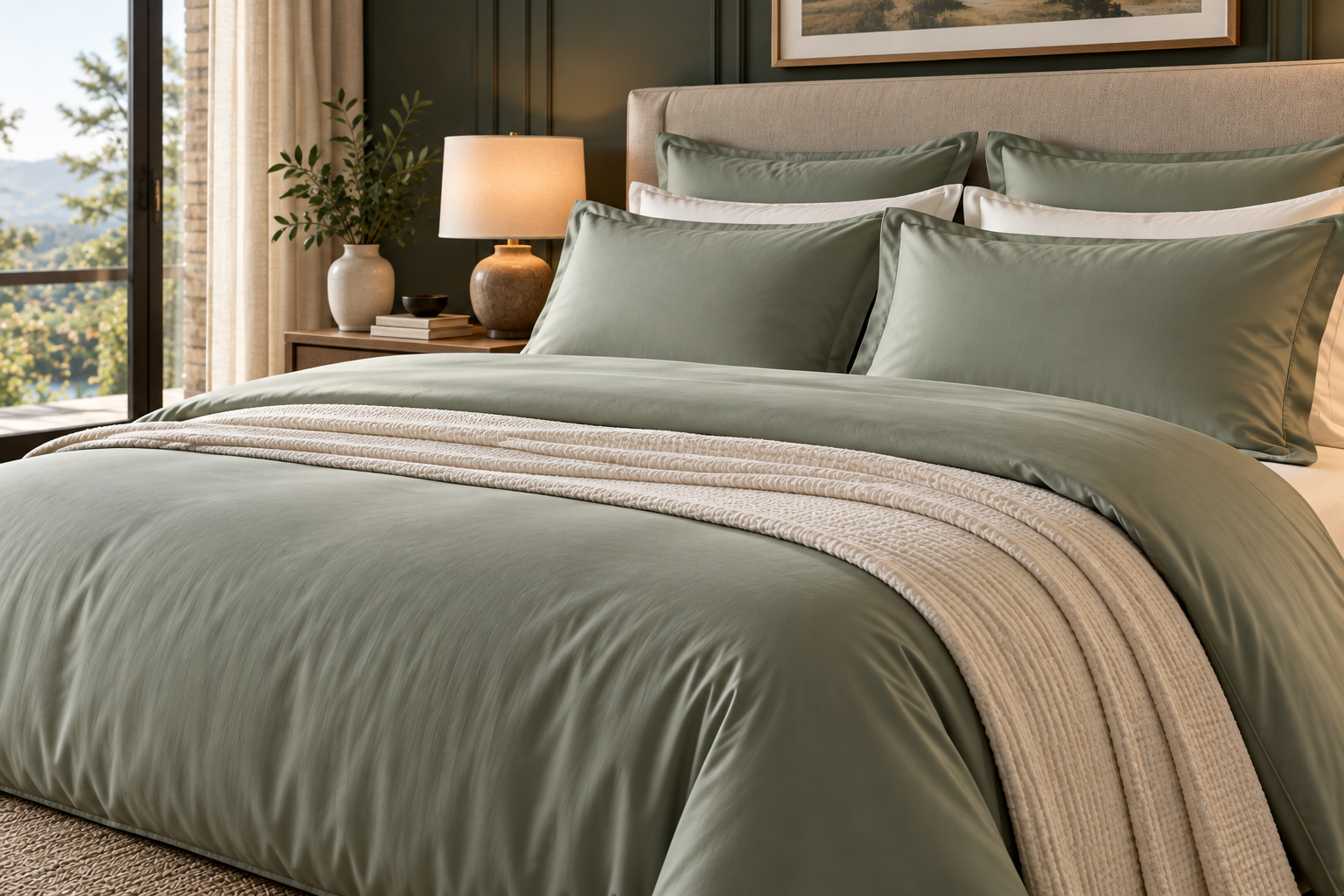
Many hotels use coordinated bedding layers to create a neat, consistent appearance.
A typical bed arrangement may include a fitted sheet, flat sheet, duvet, pillowcases, and decorative bedding.
When evaluating hotel bedding sets, check which pieces are included.
A product described as a complete set may contain only sheets and pillowcases, while another may include a duvet cover or additional accessories.
Choose Coordinated Colors
White is frequently associated with hotel bedding because it creates a clean, consistent appearance and can simplify matching.
However, neutral shades such as ivory, beige, and light gray can produce a similar effect.
Use the Right Pillow Arrangement
The number and arrangement of pillows influence both appearance and comfort.
You might use two sleeping pillows with an additional decorative pillow or cushion.
For everyday comfort, prioritize pillows that support your preferred sleeping position.
Select a Properly Sized Duvet
A duvet that extends beyond the mattress edges can create a fuller appearance.
How Important Are Thread Count and Fabric Quality?
Thread count refers to the number of warp and weft threads within a specified area of woven fabric, commonly one square inch.
Although thread count is frequently advertised as a quality indicator, it should not be your only purchasing criterion.
Fabric performance also depends on:
- Fiber quality
- Yarn construction
- Weave structure
- Fabric finishing
- Stitching and manufacturing consistency
A well-constructed cotton sheet with a moderate thread count may feel preferable to a higher-count product made with different yarns or finishing techniques.
When comparing products, examine material specifications and return policies alongside thread count.
What Makes Premium Cotton Bedding Worth Considering?
Premium cotton bedding may use cotton varieties, yarn construction, and finishing processes intended to improve fabric feel or durability.
However, terms such as premium, luxury, and hotel-grade do not independently verify material quality.
Check Cotton Fiber Information
Some manufacturers identify cotton varieties or long-staple fibers in their product descriptions.
Longer cotton fibers can be spun into fine, strong yarns under suitable manufacturing conditions, although finished fabric quality depends on the entire production process.
Examine Certifications Carefully
Certain textile certifications address specific product characteristics.
For example:
- OEKO-TEX STANDARD 100: Indicates that a certified textile has been tested for specified harmful substances under the program’s criteria.
- GOTS: Applies to qualifying organic textile products and includes environmental and social processing requirements.
These certifications do not guarantee that bedding will feel softer or last longer than competing products.
Review Washing Instructions
Even high-quality cotton requires suitable care.
Check recommended water temperatures, drying methods, and restrictions on bleach or fabric treatments before purchasing.
How Much Does Hotel Quality Bedding Cost?
Bedding prices vary according to material, brand, product size, construction, and included accessories.
The following figures are illustrative shopping budget ranges in US dollars, not verified current retail prices or quotations for particular products.
| Bedding product | Illustrative budget |
|---|---|
| Cotton sheet set | $40–$150 |
| Higher-end cotton sheet set | $100–$300+ |
| Down-alternative duvet insert | $50–$180 |
| Down duvet insert | $150–$500+ |
| Duvet cover | $40–$200 |
| Sleeping pillow | $20–$120+ |
| Mattress protector | $20–$100 |
These ranges are intended to help with initial budgeting. Actual prices can fall outside them, and size differences can significantly affect costs.
Is Expensive Bedding Always Better?
Not necessarily.
Higher prices may reflect materials, manufacturing methods, branding, or added services. They do not automatically mean a product will suit your preferences.
For example, a reasonably priced cotton percale sheet may feel better to someone who sleeps warm than a costly sateen sheet.
Focus on material suitability, construction, care requirements, and return terms before deciding how much to spend.
How Do You Find the Best Hotel Bedding for Home?
Do you prefer crisp sheets, a soft duvet, substantial pillows, or a smooth sleeping surface?
Your answers can help narrow the selection.
If You Sleep Warm
Look for lightweight bedding with breathable fabric construction.
Cotton percale and linen may be worth examining, along with a lightweight duvet insert.
If You Prefer a Soft, Smooth Texture
Cotton sateen may suit your preferences.
Pay attention to the fabric weight and finishing process, since products with the same weave can feel different.
If You Want a Fluffy Bed Appearance
Focus on duvet loft, pillow arrangement, and correctly sized covers.
Remember that a visually full duvet may feel warmer than a lightweight alternative.
If You Want Easy Maintenance
Check for machine-washable materials, compatible washing instructions, and drying requirements.
Avoid assuming that every hotel-inspired product can tolerate commercial-style laundering.
If You Have a Limited Budget
Start with the bedding that directly affects your comfort.
Replacing worn sheets or an unsuitable pillow may be a practical first purchase before investing in decorative layers.
What Should You Compare Before Buying Bedding Online?
Online shopping makes it convenient to examine bedding options, but product photographs cannot fully communicate texture, warmth, or fabric weight.
Use this checklist before placing an order.
1. Confirm the Exact Material
Check fiber percentages and construction details.
A product advertised as cotton bedding may have a different composition from another product using similar promotional language.
2. Verify Measurements
Review mattress depth, fitted-sheet pocket depth, pillowcase dimensions, and duvet measurements.
Sizing labels are not always interchangeable between retailers.
3. Examine What Is Included
Determine if the listing contains individual pieces or a complete bedding set.
4. Read Care Instructions
Products requiring professional cleaning or special washing methods may increase long-term maintenance costs.
5. Check Returns and Warranty Terms
Look for clear information about return windows, opened bedding, hygiene restrictions, and warranty coverage.
6. Evaluate Customer Feedback
Verified customer feedback may help identify recurring concerns about sizing, pilling, texture, or washing performance.
Individual reviews are subjective, so look for consistent patterns rather than relying on a single rating.
If you are ready to compare options, review available hotel-inspired bedding styles and current prices to see how materials, product dimensions, and care requirements align with your preferences.
Frequently Asked Questions About Hotel Bedding
What type of sheets do luxury hotels typically use?
Many hotels use cotton or cotton-containing sheets, including percale and sateen constructions. Actual materials vary by hotel, supplier, and property requirements.
Is hotel-grade bedding better than regular bedding?
Not automatically. Hotel-grade is primarily a descriptive marketing term rather than a universal quality standard. Product specifications provide a better basis for comparison.
Are white sheets necessary for a hotel-style bed?
No. White sheets create a familiar hotel appearance, but other coordinated neutral colors can achieve a similar result.
How often should you replace bedding?
Replacement depends on wear, laundering frequency, fabric construction, and comfort. Inspect sheets for thinning, tearing, and persistent damage, and replace pillows when they no longer provide suitable support.
Does a higher thread count mean softer sheets?
Not necessarily. Fiber characteristics, weave, yarn construction, and finishing can influence softness as much as or even greater than thread count.
Can you wash hotel-style bedding at home?
Many products are machine washable, but cleaning requirements depend on the material and construction. Follow the individual product’s care label.
Finding the Right Hotel Quality Bedding for Your Comfort and Budget
The right bedding depends on how you sleep, the texture you prefer, and the maintenance you are willing to manage.
Cotton percale may suit people who enjoy crisp sheets, while sateen can provide a smoother surface. Down and synthetic duvet fillings present different considerations for warmth, weight, cleaning, and cost.
Before purchasing, compare fiber content, dimensions, construction, washing instructions, and return policies. These details are generally useful indicators than promotional descriptions alone.
By prioritizing comfort and practical specifications, you can create a polished, hotel-inspired bed without spending unnecessarily on features that do not match your needs.