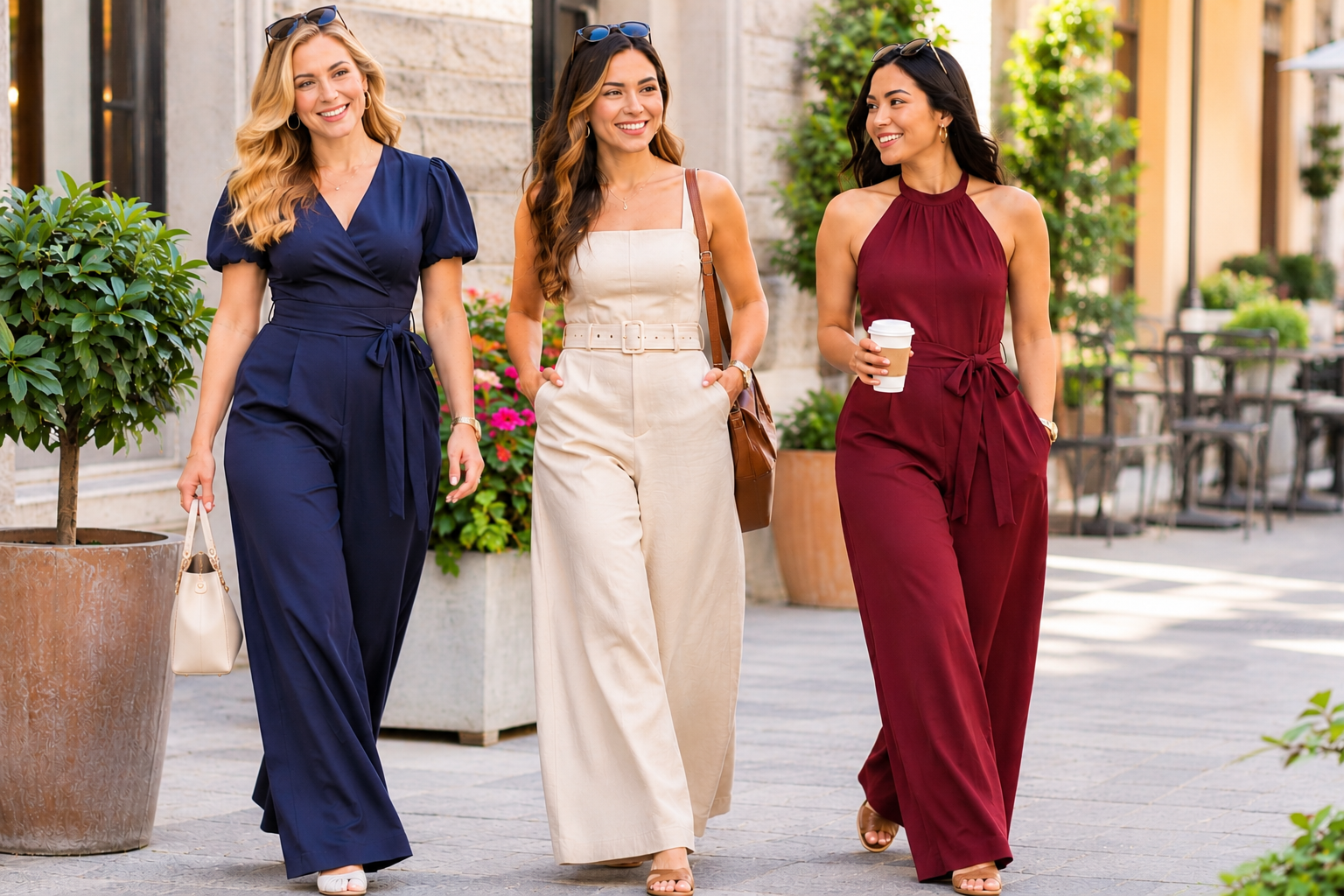
Women jumpsuits are a practical fashion choice when you want a coordinated outfit without spending extra time matching separate pieces.
Available in casual, tailored, and formal designs, jumpsuits can suit everyday activities, office settings, dinners, and special celebrations.
Finding the right jumpsuit involves checking the fabric, fit, neckline, leg shape, and overall construction. Some designs prioritize comfort and movement, while others focus on structured silhouettes and polished details.
This guide explains popular jumpsuit styles, compares their features, and helps you identify which options suit your wardrobe, body proportions, and intended occasion.
Why Women Jumpsuits Are Worth Exploring for Your Wardrobe
Jumpsuits combine a top and trousers into one garment, creating a coordinated appearance. Their designs range from relaxed cotton styles to structured pieces with tailored seams and formal fabrics.
A well-fitting jumpsuit can simplify outfit planning, particularly when you need clothing that works with different shoes, bags, and accessories.
Several features make jumpsuits worth researching before purchasing:
- Versatility: Certain designs work for casual outings, professional settings, and evening events.
- Coordinated styling: A single garment creates a complete outfit.
- Different silhouettes: Wide-leg, straight-leg, tapered, and fitted designs provide several options.
- Seasonal flexibility: Fabric weight, sleeve length, and layering determine suitability for different temperatures.
- Personal styling: Belts, jackets, jewelry, and footwear can change the appearance of a jumpsuit.
The main consideration is finding a design that fits your torso and legs comfortably. Since the top and bottom are connected, proportions deserve particular attention.
Popular Types of Women’s Jumpsuits
Understanding the main categories can help narrow your search before comparing individual designs.
1. Casual Jumpsuits for Women
Casual jumpsuits for women typically feature relaxed silhouettes, breathable materials, and uncomplicated details. They are suitable for shopping, weekend activities, travel, and informal gatherings.
Common features include adjustable straps, elastic waistbands, practical pockets, and lightweight fabrics.
Cotton and linen are popular materials, although their feel and maintenance requirements differ. Cotton fabrics vary considerably by weave and weight, while linen generally wrinkles easily.
For everyday use, prioritize comfortable movement, manageable care instructions, and a fit that does not pull when sitting.
2. Formal Jumpsuits for Women
Formal jumpsuits for women provide an alternative to traditional dresses for weddings, receptions, evening dinners, and other dressier occasions.
These designs may feature tailored waistlines, structured shoulders, elegant necklines, or flowing trousers.
Look for details such as:
- Smooth seams and secure closures
- Suitable lining where necessary
- Fabric with an appropriate drape
- A comfortable waist and torso
- A hem length that works with your intended footwear
A formal jumpsuit should look polished while allowing you to sit, walk, and move comfortably.
3. Wide Leg Jumpsuits for Women
Wide leg jumpsuits for women feature trousers that extend outward from the hips or thighs, creating a relaxed silhouette.
Depending on the fabric and tailoring, they can work for daytime gatherings, office outfits, and evening events.
Soft, flowing materials create movement, while structured fabrics produce a defined shape.
Pay particular attention to the inseam and overall length. Wide-leg trousers may drag on the ground if the hem is too long for your height and footwear.
4. Sleeveless and Short-Sleeve Jumpsuits
Sleeveless designs can be practical in warm conditions or for occasions where you prefer minimal layering.
Short-sleeve styles provide additional arm coverage without requiring a jacket.
When comparing these options, examine the armholes, shoulder fit, and neckline. These details influence comfort and how securely the garment stays in place.
5. Long Sleeve Jumpsuits for Women
Long sleeve jumpsuits for women are worth exploring when you prefer additional coverage or need an outfit for cooler weather.
Styles include fitted sleeves, relaxed cuffs, and structured shoulder designs.
Fabric choice remains important. Lightweight materials can feel comfortable indoors, while heavier fabrics may provide greater warmth.
For work or formal settings, a long-sleeve design with tailored trousers can create a neat, coordinated appearance.
Comparing Jumpsuit Styles Before Buying
Different jumpsuit designs suit different clothing needs. This comparison highlights their typical characteristics.
| Jumpsuit style | Suitable occasions | Common features | Main buying consideration |
|---|---|---|---|
| Casual | Weekends, travel, errands | Relaxed fit, simple closures | Comfort and easy care |
| Formal | Weddings, dinners, celebrations | Tailored details, refined fabrics | Fit and finish |
| Wide-leg | Social events, office, daytime outings | Flowing or structured trousers | Hem length |
| Sleeveless | Warm weather, casual gatherings | Open arm design, lighter construction | Armhole and shoulder fit |
| Long-sleeve | Work, cooler weather, evening events | Additional coverage, varied cuffs | Sleeve fit and fabric weight |
| Utility | Casual outings, everyday wear | Pockets, collars, adjustable waists | Practicality and mobility |
The best option depends on how frequently you plan to wear the garment, your preferred silhouette, and the setting.
How to Choose the Right Jumpsuit for Your Body Proportions
Body proportions can influence how a jumpsuit fits, particularly around the torso, waist, hips, and legs. There is no single silhouette that works best for everyone.
Check the Torso Length
Torso length is especially important because jumpsuits connect the upper and lower sections.
A garment with a short torso may pull around the shoulders or crotch when you sit. An excessively long torso can create unwanted bunching.
If measurements are available, compare the garment’s torso or rise dimensions with a similar piece that already fits you.
Choose a Comfortable Waist Design
Waist construction affects comfort and appearance.
- Elastic waistbands provide flexibility.
- Adjustable belts allow some control over waist definition.
- Fixed waist seams create a structured appearance but require accurate sizing.
- Relaxed silhouettes provide additional room through the middle.
Try sitting and bending in the garment to check for pulling or restriction.
Pay Attention to Leg Shape
Straight-leg designs create a consistent line from the thigh toward the ankle. Tapered styles narrow toward the hem, while wide-leg options provide additional space.
Your choice should reflect your comfort preferences, footwear, and intended styling.
Review Petite and Tall Sizing
Petite and tall jumpsuits may have adjusted proportions beyond trouser length, depending on the manufacturer.
If standard sizing often causes problems around your torso or inseam, look for brands that publish detailed garment measurements.
Which Jumpsuit Fabrics Should You Choose?
Fabric affects comfort, appearance, durability, and maintenance.
| Fabric | Typical characteristics | Points to check |
|---|---|---|
| Cotton | Soft, available in different weights | Shrinkage and wrinkling |
| Linen | Breathable, textured appearance | Creasing and care requirements |
| Polyester | Available in many finishes and constructions | Breathability and fabric feel |
| Viscose or rayon | Often soft with fluid drape | Washing instructions and shrinkage |
| Crepe | Textured surface, often used for tailored styles | Fiber content and care |
| Elastane-containing fabric | Provides stretch depending on construction | Stretch recovery and fit |
Fabric names alone do not establish quality. Two garments made with the same fiber can feel different because of fabric weight, weave, finishing, and construction.
For warm conditions, prioritize comfort and ventilation. For formal events, focus on drape, opacity, and how well the material maintains its intended shape.
How to Style Jumpsuits for Different Occasions
A jumpsuit can support several outfit combinations when the design suits the setting.
Everyday Casual Outfits
Pair a relaxed jumpsuit with flat sandals or sneakers for errands and informal activities. A crossbody bag and simple jewelry can complete the outfit without making it feel overly dressed.
For cooler temperatures, add a denim jacket or lightweight cardigan.
Office and Business Casual Settings
A tailored jumpsuit in navy, black, gray, or another understated shade can work in offices with suitable dress codes.
Choose a comfortable neckline, structured fabric, and footwear appropriate for your workplace.
A blazer can add coverage and create a professional appearance.
Weddings and Evening Celebrations
A tailored or flowing jumpsuit can be suitable for celebrations when it follows the event’s dress code.
Dressier shoes, a small handbag, and carefully selected jewelry can complement the garment.
For weddings, check the invitation for dress expectations, particularly when the event specifies formal or black-tie attire.
Vacations and Travel
Lightweight jumpsuits can be convenient for travel because they create a coordinated outfit with fewer separate garments.
Choose fabrics that feel comfortable during extended wear and follow care instructions that suit your travel plans.
Also think about restroom practicality. Some jumpsuits are easier to remove than others, especially designs with complicated back closures.
How to Find Affordable Women’s Jumpsuits Without Sacrificing Quality
Affordable women’s jumpsuits can be worth purchasing when their fit, construction, and materials meet your needs.
Price alone does not establish garment quality. Instead, examine the features that influence everyday wear.
Inspect the Construction
Look at the seams, stitching, fasteners, and hems.
Uneven stitching, loose threads, poorly secured buttons, and uncomfortable seams may indicate construction concerns.
Check the Fabric Description
Read the fiber composition and care label before buying.
A garment requiring specialist cleaning may involve additional maintenance costs, even when its initial purchase price fits your budget.
Review the Size Guide
Compare your measurements with the retailer’s size chart.
Where available, garment measurements can provide useful information about the actual fit, particularly for jumpsuits with fixed waistlines.
Understand the Return Policy
Check return eligibility, deadlines, shipping costs, and any restrictions before placing an order.
This matters when purchasing a one-piece garment because alterations around the torso can be difficult.
You can compare available women’s jumpsuit styles to review different silhouettes, materials, and retailer sizing information before choosing a design.
Common Mistakes to Avoid When Buying a Jumpsuit
Even a visually attractive jumpsuit may be disappointing if important fit and construction details are overlooked.
Choosing based only on appearance: Product photographs may not show how a garment fits when sitting or moving. Review measurements and construction details.
Ignoring torso proportions: A suitable trouser length does not guarantee that the upper section fits correctly.
Overlooking closures: Back zippers, buttons, and complicated straps may affect convenience.
Selecting the wrong fabric for the occasion: Heavy materials may feel uncomfortable in warm conditions, while thin fabrics may lack the structure you prefer for formal settings.
Forgetting footwear: The heel height and shoe shape you plan to wear can affect how the trouser hem sits.
Skipping care instructions: Washing, drying, and ironing requirements can influence long-term practicality.
Frequently Asked Questions About Women’s Jumpsuits
Are jumpsuits suitable for formal events?
Yes. Tailored jumpsuits made with appropriate fabrics can work for weddings, receptions, dinners, and other formal occasions. Always follow the event’s dress code.
Can jumpsuits be worn to work?
Yes, depending on your workplace requirements. Structured designs with suitable necklines, trouser lengths, and fabrics can work for business casual environments.
What shoes work best with jumpsuits?
Sneakers and sandals suit many casual designs, while loafers, flats, and heels can complement tailored styles. Choose footwear based on the garment’s hem length and the occasion.
Are jumpsuits comfortable for all-day wear?
They can be comfortable when the torso length, waistband, fabric, and leg shape fit properly. Stretch, ventilation, and ease of movement can also influence comfort.
How should a jumpsuit fit?
A jumpsuit should allow comfortable movement without excessive pulling at the shoulders, waist, hips, or crotch. The trouser hem should also work with your footwear.
Can jumpsuits be altered?
Some jumpsuits can be hemmed or adjusted at the waist. Changes to torso length, complex closures, or structured bodices may require significant tailoring and may not always be practical.
Finding a Jumpsuit That Fits Your Lifestyle
The right jumpsuit should suit your intended activities, feel comfortable, and fit naturally into your existing wardrobe.
Start by identifying where you plan to wear it. Casual designs may prioritize soft fabrics and relaxed cuts, while professional and formal occasions may call for structured tailoring and carefully finished details.
Before purchasing, compare garment measurements, fabric composition, closures, care requirements, and return policies. These checks can help you choose a jumpsuit that feels practical for regular wear and appropriate for your preferred occasions.